
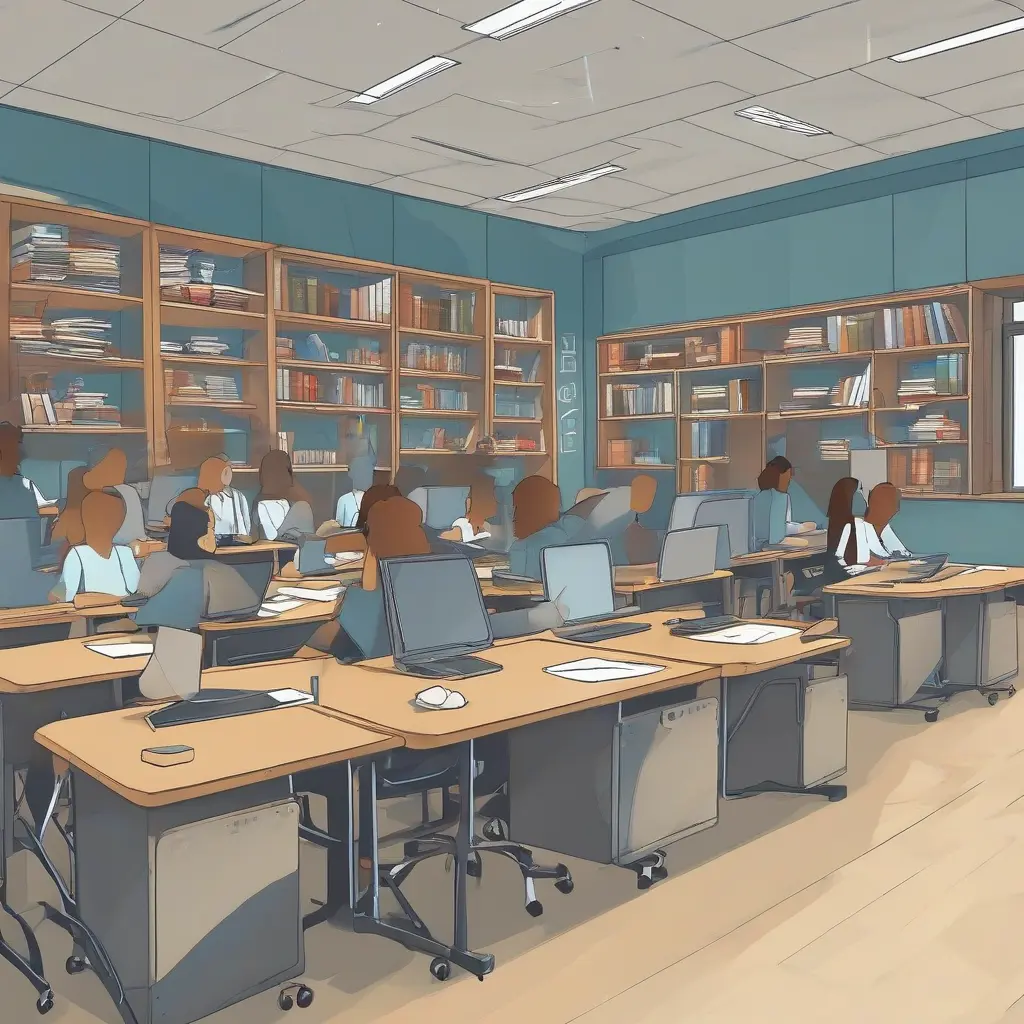
The future of hybrid classrooms combines the advantages of both in-person and online learning, providing an adaptable educational environment for students and teachers alike. As educational institutions increasingly embrace technology, the traditional classroom’s boundaries are expanding. This evolution aims to enhance engagement, personalize learning experiences, and improve educational access for a diverse range of learners. Educators are tasked with finding best practices that will ensure effective hybrid classroom experiences, creating an optimal blend of synchronous and asynchronous learning methods. This article will delve into the essential strategies for fostering a successful hybrid learning experience in modern education.
Understanding Hybrid Classrooms
Hybrid classrooms are educational settings where traditional face-to-face instruction is combined with online learning components. This model allows flexibility in teaching methods, enabling educators to leverage the strengths of both environments. In a hybrid setup, students may attend classes physically some days of the week while participating in online sessions during others. This dual approach fosters varied interaction styles, catering to different learning preferences and providing opportunities for personalized education overall.
Benefits of Hybrid Learning
The hybrid learning model offers numerous benefits, such as improved accessibility, engagement, and resource utilization. Students can participate in classes from various locations, reducing commute burdens and allowing for a more flexible schedule. Additionally, hybrid learning fosters greater student engagement by incorporating interactive online tools and resources alongside traditional classroom activities. This approach not only optimizes learning experiences but also encourages collaboration among students, promoting a sense of community in diverse formats.
Effective Communication Tools
To facilitate successful hybrid classrooms, effective communication tools are vital. Platforms like Zoom, Microsoft Teams, or Google Meet enable seamless interaction between in-person and online learners. These tools should support features such as video conferencing, instant messaging, and screen sharing to enhance collaboration. Moreover, utilizing learning management systems (LMS) such as Canvas or Moodle can help organize course materials and foster communication in one centralized platform, ensuring all students remain engaged and informed.
Establishing Clear Expectations
Setting clear expectations is essential for hybrid classrooms. Educators must communicate policies regarding participation, attendance, and assignment deadlines for both in-person and online components. Clear guidelines help students understand what is required of them in each learning environment, fostering accountability and enhancing their overall educational experience. Additionally, establishing norms for classroom behavior, engagement, and interaction—both online and offline—can create an effective learning atmosphere for all participants.
Creating an Engaging Curriculum
An engaging curriculum is key to maximizing hybrid classrooms’ potential. Educators should create dynamic, interactive lesson plans that incorporate both digital and traditional learning formats. This can include virtual labs, online discussions, and collaborative projects alongside in-person sessions. By utilizing diverse teaching methods, educators can cater to various learning styles and keep students motivated. Incorporating gamification elements and real-world applications can further enhance engagement and help students see the practical relevance of their learning.
Assessing Student Progress
Assessing student progress effectively in a hybrid classroom can be challenging yet crucial for ensuring all learners are on track. Multiple assessment strategies, such as formative assessments, quizzes, and project-based evaluations, can provide a comprehensive view of student performance. Regular feedback helps both students and educators understand areas needing improvement while celebrating achievements. Utilizing online tools for assessments can also streamline grading and provide timely insights into student learning outcomes.
Fostering Inclusivity in Hybrid Classrooms
Fostering inclusivity is essential in hybrid classrooms to ensure that all students feel valued and supported. Educators should create an environment where diverse learning needs are addressed through differentiation techniques and various teaching modalities. Providing resources tailored to individual students’ strengths and challenges can help bridge gaps in learning. Additionally, promoting open dialogue and encouraging collaboration among students from different backgrounds can enhance community and support diverse perspectives, enriching the overall learning experience.
Training Educators and Students
Training both educators and students in utilizing technology effectively is integral for hybrid classroom success. Professional development for teachers can enhance their ability to integrate technology seamlessly into their teaching methods, equipping them with the skills needed to adapt to new tools. Equally, students should receive training on how to navigate online platforms effectively. This collaboration ensures that all participants feel comfortable and proficient in their respective roles within the hybrid learning environment.
Utilizing Data Analytics
Data analytics play a significant role in the success of hybrid classrooms by providing insights into student performance and engagement. Educators can leverage these data-driven insights to tailor instruction and identify trends in learning behaviors. By analyzing participation rates and assessment scores, educators can pinpoint students needing additional support and adjust their teaching strategies accordingly. This proactive approach enhances learning outcomes for all students and fosters a more effective learning environment.
Leveraging Peer Collaboration
Peer collaboration is a powerful strategy in hybrid classrooms, encouraging students to learn from one another and share diverse perspectives. Group projects and discussions, both in-person and online, can facilitate meaningful interactions among students, promoting a deeper understanding of the material. By leveraging technology, educators can create collaborative spaces where students from different locations can work together effectively. This approach not only enhances academic performance but also builds essential teamwork and communication skills vital for future endeavors.
Conclusion
The future of hybrid classrooms holds immense potential for transforming education, providing flexible learning environments that cater to diverse needs. By implementing best practices like effective communication, an engaging curriculum, and inclusivity, educators can enhance student experiences significantly. Continuous adaptation, training, and a strong emphasis on technology will equip both educators and students to thrive in this evolving landscape of education.