
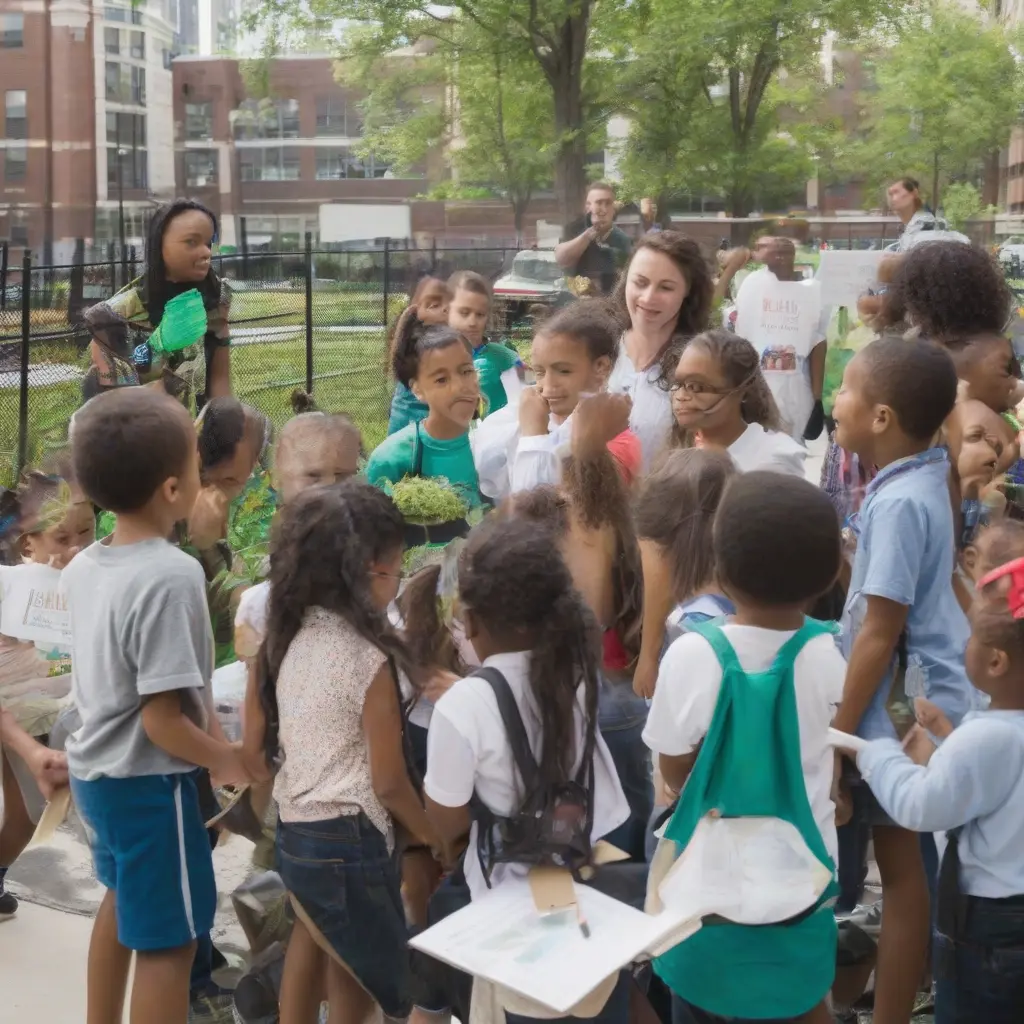
In urban settings, environmental education presents unique challenges for educators who strive to engage students in meaningful ways. Limited access to natural environments, diverse population needs, and varying levels of support can complicate teaching efforts. Additionally, urban schools often face resource constraints that hinder effective curriculum development and implementation. However, addressing these challenges through innovative approaches can lead to successful education strategies that enhance students’ understanding of environmental issues. This article will explore the specific challenges faced by educators in urban areas and provide practical solutions to improve environmental education.
Limited Access to Natural Spaces
One of the primary challenges for educators involved in environmental education in urban settings is the limited access to natural spaces. Urban areas often lack green spaces, parks, and biodiversity, making it difficult for students to connect with nature. Without proper exposure, students may struggle to grasp fundamental ecological concepts or the importance of environmental preservation. To counter this, educators can utilize virtual field trips, local eco-clubs, or partnerships with botanical gardens and environmental organizations to provide opportunities for immersive learning experiences, bridging the gap between students and the natural world.
Diverse Student Populations
Urban schools typically serve diverse student populations, which can present challenges in delivering effective environmental education. Students may come from various cultural backgrounds with different perceptions of nature and environmental issues. This diversity can lead to conflicting viewpoints that educators must navigate. One effective strategy is to incorporate culturally relevant materials and local issues into the curriculum, allowing students to relate environmental topics to their personal experiences. Moreover, adopting a multicultural approach to teaching can facilitate understanding, respect, and collaboration among students, enhancing the overall learning experience.
Resource Constraints in Urban Schools
Resource constraints are a significant barrier for urban educators trying to implement effective environmental education programs. Many urban schools struggle with inadequate funding, limiting access to necessary materials, field trips, and training for teachers. To address these constraints, educators can seek grants and partnerships with local organizations focused on environmental education. Collaborations with universities and nonprofit agencies can help provide essential resources and expertise. Utilizing community resources and engaging volunteers can also enhance program delivery, ensuring that environmental education remains a vital part of the school curriculum.
Integration of Technology
The integration of technology in environmental education can help alleviate some challenges faced by urban educators. Digital tools and online resources can provide students with access to a wide range of information, virtual experiences, and interactive environments. For instance, educators can use apps, websites, and social media platforms to engage students in sustainability projects and discussions. Moreover, incorporating technology can foster collaboration among students, allowing them to share insights and solutions for local environmental issues. By embracing technology, educators can enhance student engagement and understanding of environmental concepts, even in a limited-access environment.
Community Involvement and Partnership Building
Building partnerships within the community is crucial for successful environmental education in urban settings. Collaboration with local government, NGOs, and community leaders can provide educators with additional resources, expertise, and support necessary to implement effective programs. Organizing community events, such as clean-up drives or environmental fairs, encourages student participation and raises awareness of local environmental issues. Involving families and community members fosters a collective responsibility for the environment and helps students develop a deeper connection with their surroundings. Through these partnerships, educators can create a supportive network that enriches the learning environment.
Educational Policy Advocacy
Advocating for educational policies that prioritize environmental education is essential for addressing the challenges faced by urban educators. Policymakers can provide necessary funding, resources, and training for teachers focused on environmental topics. Educators can engage in advocacy efforts by collaborating with others in the field to promote awareness of the importance of sustainability education. By presenting data and success stories from local programs, they can influence policy decisions that support environmental education initiatives. Establishing a sustained dialogue with policymakers can help integrate environmental education into the core curriculum and ensure its long-term sustainability in urban schools.
Interdisciplinary Approaches to Learning
Adopting interdisciplinary approaches to teaching environmental education can help educators in urban settings overcome challenges. Integrating subject areas such as science, social studies, and art into environmental lessons can create a more holistic learning experience. For example, students can explore local environmental issues through science experiments, artistic projects, or community history studies. This multifaceted approach encourages critical thinking and allows students to make connections between their academic subjects and real-world applications. Furthermore, interdisciplinary methods can engage diverse learners, catering to various interests and learning styles, thus promoting a deeper understanding of environmental concepts.
Emphasis on Urban Sustainability
Focusing on urban sustainability within the curriculum is vital for students living in metropolitan areas. Teaching about practical solutions to urban environmental challenges, such as waste management, energy conservation, and urban agriculture, can empower students to take action within their communities. Educators can encourage projects that involve hands-on activities, such as creating a school garden or implementing recycling programs. By addressing pertinent local issues, educators can motivate students to become active participants in promoting sustainability. This focus not only provides relevant learning opportunities but also instills a sense of responsibility toward their urban environment.
Building Environmental Literacy
Enhancing environmental literacy among urban students is crucial for fostering a generation that thinks critically about environmental issues. Educators should focus on teaching fundamental concepts related to environmental science, stewardship, and sustainability. By introducing students to key ideas, vocabulary, and practical skills, educators prepare them to engage with complex environmental challenges. Formative assessments and discussions can help gauge understanding and encourage innovative thinking. Fostering environmental literacy can empower students to advocate for ecological sustainability and participate in community efforts to protect and enhance their urban landscapes.
Conclusion
Addressing the challenges of teaching environmental education in urban settings requires a multifaceted approach that includes resourcefulness, community engagement, and innovative strategies. By understanding the unique barriers presented by urban environments, educators can develop tailored solutions that foster meaningful connections between students and their ecological surroundings. Emphasizing the importance of sustainability, collaboration, and integration of various teaching methodologies can inspire the next generation to embrace environmental stewardship and advocate for positive change in their communities.