
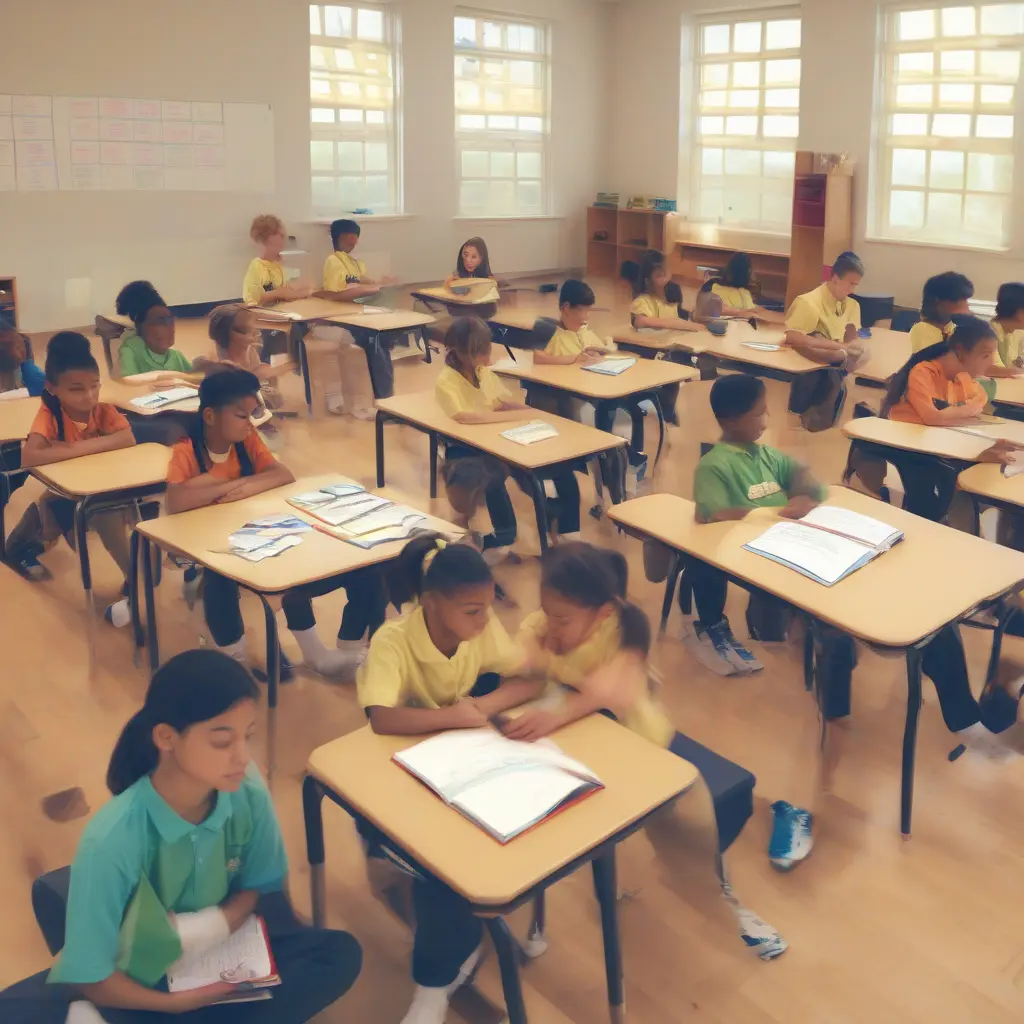
Implementing mindfulness programs in schools is increasingly recognized as a vital strategy for enhancing student well-being and academic success. These programs introduce techniques such as meditation, deep breathing, and focused awareness to help students manage stress, improve focus, and foster emotional regulation. By integrating mindfulness practices into the daily routine, schools can create a more supportive and enriching learning environment. This shift not only benefits students during their formative years but also equips them with life skills essential for future challenges. As educators adopt these programs, understanding their multifaceted advantages becomes key to fostering holistic growth.
Understanding Mindfulness in Education
Mindfulness in education refers to the practice of being present and fully engaged with the current moment. It emphasizes awareness of thoughts, emotions, and bodily sensations without judgment. In schools, this translated into structured programs that incorporate techniques like meditation, yoga, and mindful breathing. These practices allow students to develop a deeper understanding of their internal experiences, ultimately promoting emotional intelligence. By focusing on the present, students learn to be less reactive to stressors, leading to increased emotional resilience and better coping strategies. As such, mindfulness serves as a critical tool in modern education.
Benefits for Student Mental Health
One of the most significant benefits of mindfulness programs in schools is their positive impact on student mental health. Studies have shown that regular mindfulness practice can reduce anxiety, depression, and stress among students. By integrating mindfulness exercises into daily routines, students learn to manage their emotions more effectively and develop healthier ways to cope with stress. Improved mental health not only enhances students’ overall well-being but also creates a more conducive environment for learning. As students feel safer and more balanced, their academic performance tends to improve, highlighting the intricate link between mental health and education.
Enhancing Focus and Concentration
Mindfulness programs significantly enhance students’ focus and concentration, which are crucial for academic success. When students engage in mindfulness practices like focused breathing or meditation, they are trained to redirect their attention and minimize distractions. This state of heightened awareness allows them to engage more fully with their studies, leading to improved retention and understanding of material. Schools implementing these programs often notice a marked decrease in disruptions and an increase in students’ ability to concentrate during lessons. Consequently, fostering these skills through mindfulness can boost academic performance and classroom dynamics.
Improving Social Skills and Relationships
Implementing mindfulness programs in educational settings fosters improved social skills and enhances relationships among students. Mindfulness encourages empathy, active listening, and compassion, essential traits for healthy interpersonal interactions. Through group mindfulness activities, students learn to interact positively with their peers, which helps cultivate a supportive classroom environment. Enhanced social skills also lead to reduced instances of bullying and conflict, as students become more attuned to others’ feelings. These improvements contribute to a more cohesive school culture where students feel valued and respected, positively influencing their educational experience.
Supporting Academic Performance
Mindfulness programs directly contribute to improved academic performance among students. By fostering better focus, emotional regulation, and stress management, these programs equip students with essential skills that enhance their learning capabilities. Research indicates that students who practice mindfulness display greater academic engagement, which is reflected in higher test scores and overall grades. As they become more adept at managing their emotions and distractions, students can dedicate more energy to their studies, resulting in tangible academic benefits. Therefore, the relationship between mindfulness practices and education is mutually reinforcing, bridging well-being and performance.
Curriculum Integration Strategies
Integrating mindfulness into the school curriculum involves thoughtful planning and execution. Educators can start by incorporating short mindfulness exercises at the beginning or end of lessons, allowing students to center themselves. Professional development workshops can equip teachers with the skills needed to lead mindfulness practices effectively. Additionally, embedding mindfulness into existing subjects, such as using reflective writing in language arts or deep breathing during science discussions, can enhance its impact. Schools may also consider designated mindfulness periods or after-school programs that focus specifically on these practices. A well-structured approach ensures that mindfulness becomes a holistic part of the educational experience.
Barriers to Implementation
While the benefits of mindfulness in schools are evident, several barriers can hinder effective implementation. These may include lack of teacher training, insufficient time within the curriculum, and resistance from stakeholders who may not fully understand its value. Additionally, schools facing resource constraints might struggle to allocate programs or materials necessary for mindfulness practices. Overcoming these challenges requires advocacy, awareness campaigns, and collaborative efforts among educators, parents, and the community. Recognizing and addressing these barriers can pave the way for more schools to embrace mindfulness effectively.
Measuring Outcomes and Effectiveness
Evaluating the outcomes and effectiveness of mindfulness programs is essential for ensuring their success and sustainability in schools. Schools can adopt various assessment methods, including surveys, academic performance tracking, and mental health evaluations. By utilizing pre-and post-program assessments, educators can gauge improvements in students’ focus, emotional well-being, and social interactions. Such data-driven approaches not only highlight the benefits of mindfulness but also inform future program adjustments. Moreover, sharing these outcomes with the wider community can bolster support and increase awareness of the importance of integrating mindfulness in education.
Conclusion
Implementing mindfulness programs in schools offers profound benefits for student well-being and academic performance. By enhancing mental health, focus, and social skills, mindfulness education equips students with the necessary tools for success. As educators commit to integrating these practices into their daily routines, they foster an environment where students can thrive emotionally and academically. Evaluating and addressing barriers to implementation can help sustain these programs, ensuring that the next generation is better prepared to handle the challenges of life with resilience and awareness.