
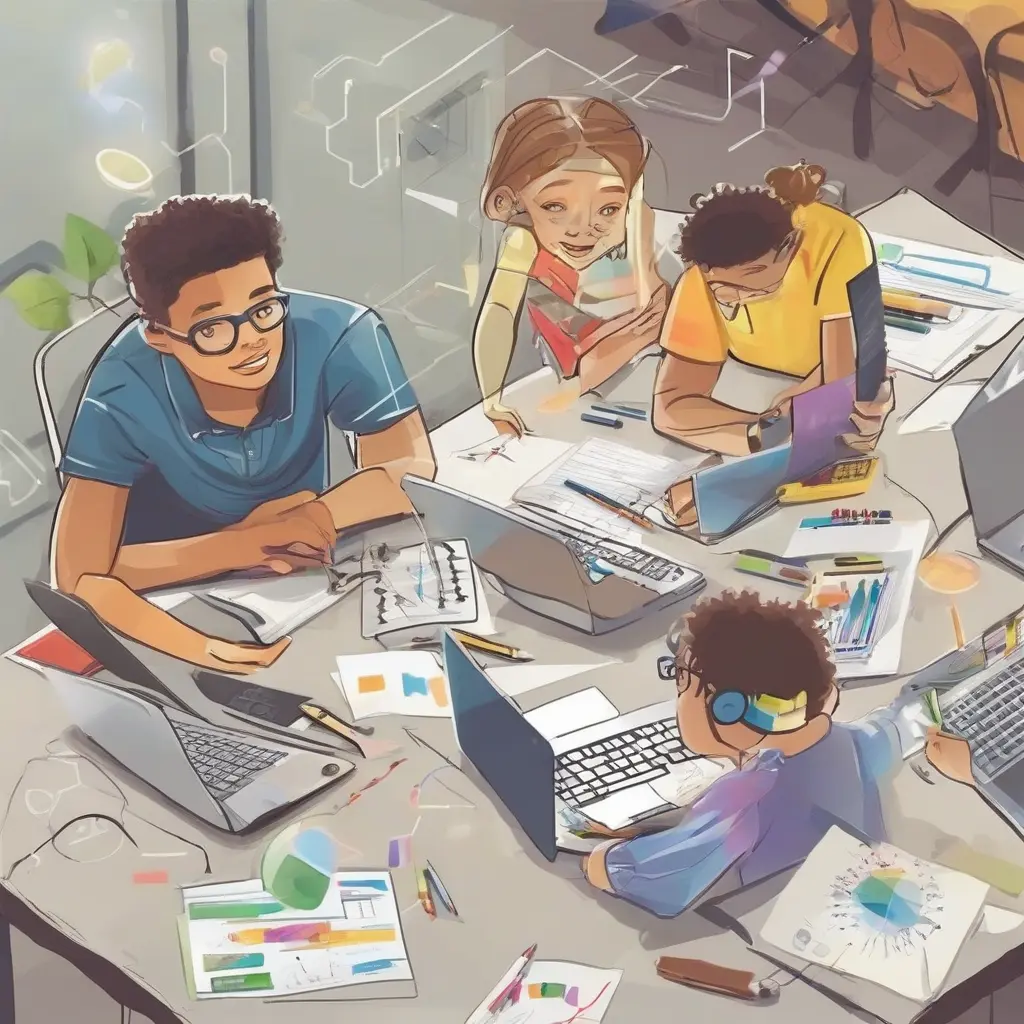
In today’s rapidly advancing educational landscape, fostering a growth mindset in students is essential for their academic and personal development. A growth mindset encourages students to embrace challenges, learn from failures, and persist in the face of difficulties. Technology-driven learning tools, such as educational apps, online platforms, and interactive software, play a significant role in cultivating this mindset. By integrating these tools into the learning environment, educators can create engaging experiences that motivate students to adopt a growth-oriented approach, ultimately enhancing their learning outcomes.
Understanding Growth Mindset
The concept of a growth mindset, coined by psychologist Carol Dweck, emphasizes the belief that abilities and intelligence can be developed through dedication and hard work. This mindset stands in contrast to a fixed mindset, where individuals believe their talents are innate and unchangeable. Students with a growth mindset are more likely to take risks in their learning, embrace challenges, and view failures as opportunities for growth. Understanding this concept is vital for educators who aim to cultivate resilience and a love for learning in their students.
The Role of Technology in Education
Technology has transformed education by providing new avenues for interaction and engagement. Tools like learning management systems, gamified applications, and virtual classrooms facilitate personalized learning experiences. These resources allow students to learn at their own pace, receive immediate feedback, and collaborate with peers. The integration of technology not only enhances accessibility but also supports diverse learning styles, making it an invaluable ally in fostering a growth mindset in students.
Gamified Learning Tools
Gamification in education leverages the principles of game design to encourage student participation and motivation. Tools such as Kahoot!, Quizizz, and Classcraft enable students to engage in learning through challenges, rewards, and competition. These platforms can help students develop a growth mindset by presenting them with challenges that require strategic thinking and perseverance. Moreover, the immediate feedback provided in gamified environments allows students to recognize their progress, reinforcing the idea that effort leads to improvement.
Interactive Learning Platforms
Interactive learning platforms like Google Classroom and Edmodo facilitate collaborative learning and communication among students and teachers. These platforms encourage students to share their thoughts and engage in discussions, promoting peer learning. By allowing students to work together on projects and assignments, interactive platforms foster a sense of community that motivates them to take risks and learn from each other’s experiences. This collaboration not only builds social skills but also reinforces the importance of a growth mindset.
Personalized Learning Experiences
Personalized learning experiences, powered by adaptive learning technologies, cater to individual student needs and preferences. Tools such as Khan Academy and DreamBox Learning provide tailored content based on students’ skill levels and learning speeds. This customization allows students to progress in their learning journey without the fear of falling behind or feeling overwhelmed. By setting achievable goals and receiving personalized feedback, students are encouraged to embrace challenges and persist through difficulties, critical elements of a growth mindset.
Peer Feedback and Collaboration
Encouraging peer feedback is an effective strategy for promoting a growth mindset in the classroom. Technology-enabled tools like Padlet and Flipgrid allow students to share their work and receive constructive criticism from classmates. This exchange fosters a supportive environment where students learn to value each other’s contributions and recognize that feedback is an integral part of the learning process. By engaging in collaborative assessments, students understand that improvement is a continuous journey and that seeking help is a strength, not a weakness.
Encouraging Reflection
Reflection is a vital component of fostering a growth mindset. Digital journals, blogs, and platforms like Seesaw provide opportunities for students to reflect on their learning experiences and set goals for improvement. By encouraging students to articulate their thoughts and feelings about their learning journeys, educators help them recognize their growth over time. This process not only builds self-awareness but also reinforces the understanding that setbacks can lead to valuable insights and future success.
Teacher Training and Professional Development
To effectively implement technology-driven tools that foster a growth mindset, teacher training and professional development are critical. Educators must be equipped with the necessary skills to integrate technology into their teaching practices and understand the principles of a growth mindset. Professional development workshops and resources focused on innovative teaching strategies can empower teachers to create an environment conducive to growth. Investing in educator training ensures that they can guide students in embracing challenges and fostering resilience.
Measuring Progress and Achievement
Measuring student progress is essential for understanding the impact of technology-driven learning tools on fostering a growth mindset. Educators can use data analytics from learning platforms to track individual student achievements, challenges faced, and areas for improvement. This quantifiable data allows teachers to celebrate student successes, no matter how small they might be, reinforcing the idea that growth is a continual process. By regularly assessing progress, educators can help students reflect on their learning journeys and appreciate their development over time.
Conclusion
Fostering a growth mindset in students through technology-driven learning tools is an effective approach to promoting positive educational outcomes. By utilizing gamified platforms, interactive learning environments, and personalized experiences, educators can create a nurturing atmosphere that encourages resilience and a love for learning. Ultimately, helping students adopt a growth mindset prepares them for future challenges, both academically and personally, ensuring they become lifelong learners.