
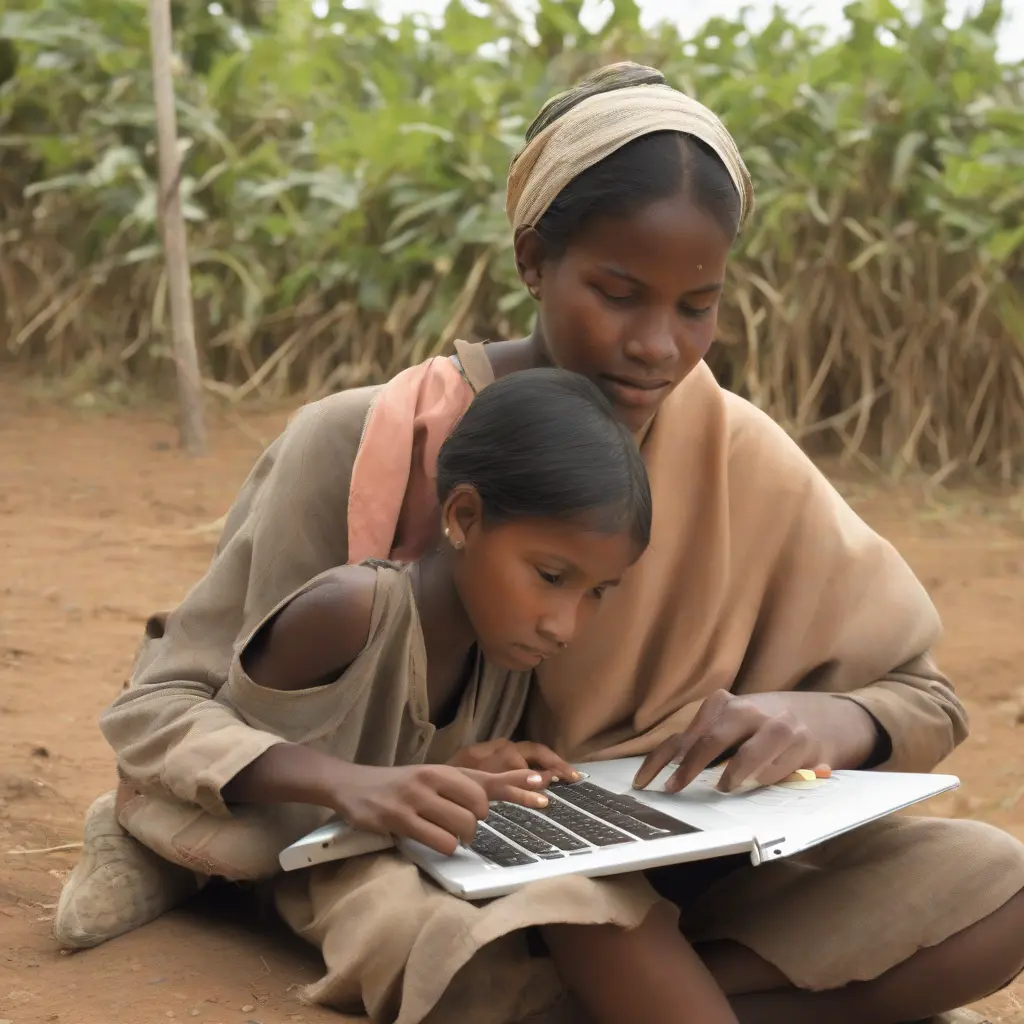
The digital divide remains a significant barrier to education in rural areas, affecting students’ ability to access vital online resources. Limited internet connectivity and inadequate technological infrastructure hinder equitable learning opportunities. This article explores comprehensive strategies to enhance access to online education in these underserved regions, focusing on innovative solutions such as community partnerships, government initiatives, and mobile learning technologies designed to address these challenges. By implementing these strategies, we can empower rural communities and ensure that all students have the resources they need for academic success.
Understanding the Digital Divide
The digital divide refers to the gap between individuals who have access to digital technology and those who do not, primarily influenced by geographical, economic, and social factors. In rural areas, this divide is particularly pronounced, as limited infrastructure results in unreliable internet services and a lack of technological devices. Understanding the nuances of the digital divide helps stakeholders develop targeted strategies to address the specific barriers faced by rural students, ensuring equitable access to learning opportunities that are increasingly reliant on digital platforms.
Importance of Internet Connectivity
Reliable internet connectivity is crucial for online education, particularly in rural settings where traditional educational resources may be scarce. A strong internet connection enables students to access educational materials, participate in virtual classrooms, and communicate with peers and educators. Without adequate connectivity, learners are at a disadvantage, which can lead to decreased engagement and poor academic performance. Enhancing internet infrastructure in rural areas is thus a vital step in bridging the digital divide and fostering an inclusive educational environment.
Community Partnerships for Better Access
Community partnerships play a pivotal role in increasing access to online education in rural areas. Schools, local governments, internet service providers, and non-profit organizations can collaborate to create initiatives that bring internet access and digital resources to underserved populations. For example, community centers can serve as hubs for internet access while providing training sessions on digital literacy. By pooling resources and expertise, these partnerships can forge sustainable solutions that directly address the unique challenges faced by rural students.
Government Initiatives and Funding
Government initiatives are instrumental in addressing the digital divide in rural areas. By allocating funding for infrastructure projects, such as expanding broadband access and providing devices to students, governments can significantly enhance educational opportunities. Programs like the Federal Communications Commission’s (FCC) E-Rate program offer financial support to schools and libraries for connectivity. Additionally, advocacy for policy changes focused on digital inclusion can mobilize resources at local, state, and federal levels, creating a more supportive environment for online education.
Utilizing Mobile Learning Solutions
Mobile learning solutions provide an innovative approach to engaging rural students who might struggle with traditional internet access. With the proliferation of smartphones, educational apps can deliver instructional content directly to users, bypassing connectivity issues tied to fixed broadband. Programs that leverage mobile technology, such as offline content downloads and SMS-based learning, can ensure that students receive essential educational resources, even in low-connectivity scenarios. This flexibility empowers learners and helps them stay engaged with their studies.
Promoting Digital Literacy Among Students
Promoting digital literacy is essential for empowering rural students to make the most of online education. Educational institutions can implement training programs that equip students with skills to navigate digital resources effectively. Teaching students how to safely use the internet, evaluate online information, and engage in collaborative online projects prepares them for both academic and real-world challenges. By fostering digital literacy, we empower students to take full advantage of the opportunities presented by online education, ultimately narrowing the digital divide.
Increasing Access to Educational Resources
Increasing access to educational resources goes beyond improving internet connectivity; it also involves making diverse learning materials available online. Partnerships with educational content providers and platforms can help direct resources to rural schools, offering students a wider range of learning materials. Online libraries, learning management systems, and open educational resources can enrich the learning experience, making high-quality education accessible regardless of geographical location. These efforts help ensure that rural students have the same opportunities as their urban counterparts.
Encouraging Local Innovation
Encouraging local innovation can drive solutions tailored specifically to the needs of rural communities. Local entrepreneurs and tech developers can create applications and platforms that address the unique educational challenges faced by these areas. By involving community stakeholders in solution development, we ensure that the resources designed are relevant and effective. Moreover, fostering a culture of innovation can stimulate economic development, creating a sustainable model for ongoing improvements in educational access.
Monitoring and Evaluating Programs
Monitoring and evaluating programs aimed at improving online education access are crucial for understanding their effectiveness. Regular assessments provide insights into what strategies work and where improvements are necessary. This data-driven approach allows stakeholders to adapt and refine initiatives, ensuring that resources are allocated efficiently and effectively. By tracking progress, communities can celebrate successes and mobilize support for continued efforts to bridge the digital divide in rural education.
Conclusion
Addressing the digital divide in rural areas is vital for ensuring equitable access to online education. By fostering community partnerships, advocating for government support, and promoting digital literacy and local innovation, stakeholders can create a more inclusive educational landscape. Continuous efforts in these areas will help empower students, equipping them with the necessary tools for academic achievement in an increasingly digital world.