
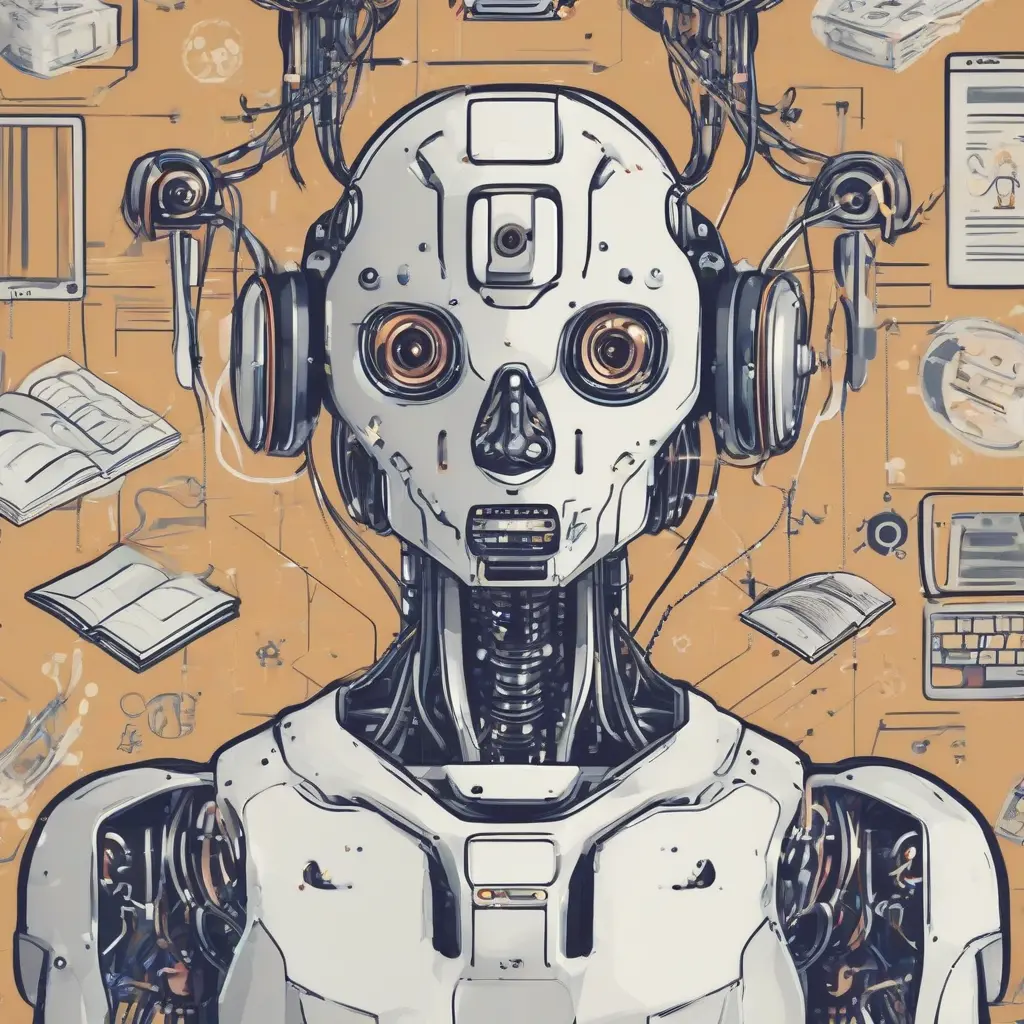
Artificial Intelligence (AI) is transforming educational methodologies, particularly in high school environments. By facilitating personalized learning experiences, AI tailors educational content to meet individual student needs. This approach not only enhances engagement but also improves learning outcomes. High school students benefit from adaptable learning paths that align with their unique interests and skill levels. As technology continues to evolve, the integration of AI in education is becoming increasingly essential, fostering a more inclusive and effective learning atmosphere that prepares students for future challenges.
Understanding Personalized Learning
Personalized learning refers to educational strategies that customize learning experiences to fit individual student needs, interests, and preferences. This concept prioritizes student agency, allowing learners to engage with material in ways that resonate with them. Rather than following a one-size-fits-all approach, personalized learning accommodates diverse learning styles. By leveraging technology, educators can implement strategies that motivate students while addressing gaps in knowledge. As high school students enter a critical phase in their education, the need for tailored learning experiences becomes even more pronounced.
The Role of AI in Education
Artificial Intelligence plays a pivotal role in enhancing educational outcomes by providing tools that facilitate personalized learning. AI-driven platforms analyze student data to identify strengths, weaknesses, and preferences. These insights enable educators to modify instructional approaches and content delivery, ensuring that each student’s learning path is unique. As such, AI serves not merely as a tool for automating tasks, but as a partner in the educational process, helping students engage in active and meaningful learning experiences tailored to their individual needs.
Benefits of AI-Driven Personalized Learning
The integration of AI in personalized learning offers a myriad of benefits for high school students. One key advantage is the ability to provide instant feedback, allowing students to track their progress and adapt accordingly. AI systems can also suggest resources that are aligned with a student’s current knowledge level, thereby enhancing their understanding of complex topics. Additionally, personalized learning pathways can help motivate students by making learning more relevant and engaging, which often leads to increased academic performance and higher retention rates.
Customized Curriculum Delivery
AI enables the development of customized curriculums that cater to the individual learning needs of students. By using data analytics, educators can tailor lessons to target specific skills, ensuring that students grasp concepts before advancing. This customized approach minimizes frustration for struggling students and prevents boredom for advanced learners. Furthermore, adaptive learning technologies allow for adjustments in real-time, ensuring that all students remain challenged and engaged. Such individualized curriculum delivery is crucial in maintaining interest and promoting academic success among high school students.
AI and Student Engagement
Engagement is a critical factor in student success, and AI plays a significant role in fostering this engagement through personalized experiences. AI tools can analyze student interactions and adapt their feedback mechanisms to keep learners motivated. Gamified learning elements powered by AI can lead to higher levels of participation and enthusiasm, ultimately shaping a more interactive educational environment. This targeted engagement helps students form a deeper connection with the material, which can translate into better understanding and retention of information.
Real-World Applications of AI in Schools
Several schools are already harnessing the power of AI to improve personalized learning experiences. For instance, interactive platforms utilize machine learning algorithms to adapt educational content based on student performance. Additionally, AI-powered virtual tutors can provide individual assistance, addressing questions and offering explanations tailored to students’ unique challenges. These real-world applications not only exemplify the practical benefits of AI in education but also highlight its potential to reshape traditional teaching methodologies, fostering a more adaptive learning environment.
Challenges and Ethical Considerations
While the benefits of AI-driven personalized learning are significant, there are challenges and ethical considerations that schools must address. Issues such as data privacy, algorithmic bias, and equity in access to technology must be critically evaluated. Ensuring that all students have access to the same resources and support is vital for the successful implementation of AI in education. Furthermore, stakeholders must remain vigilant in monitoring the impact of AI on student outcomes, making adjustments as needed to maintain fairness and integrity in the educational system.
The Future of AI in Education
The future of AI in education holds immense potential for further enhancing personalized learning experiences. As machine learning algorithms become more sophisticated, they will likely offer even more precise insights into individual student needs. This advancement could lead to hyper-personalized learning paths that not only support academic achievement but also foster emotional and social development. With continuous improvements in AI technology, the educational landscape is poised for innovative transformations that prioritize student-centered learning and prepare learners for a rapidly changing world.
Conclusion
In conclusion, the role of artificial intelligence in personalized learning experiences for high school students is transformative and multi-faceted. By tailoring educational paths to meet individual needs, AI enhances engagement and learning outcomes. While challenges remain, the potential for AI to revolutionize education is significant, providing tools that empower both educators and students. As technology continues to evolve, it is essential for educational stakeholders to harness its power responsibly, ensuring that personalized learning becomes an inclusive and enriching experience for all students.