
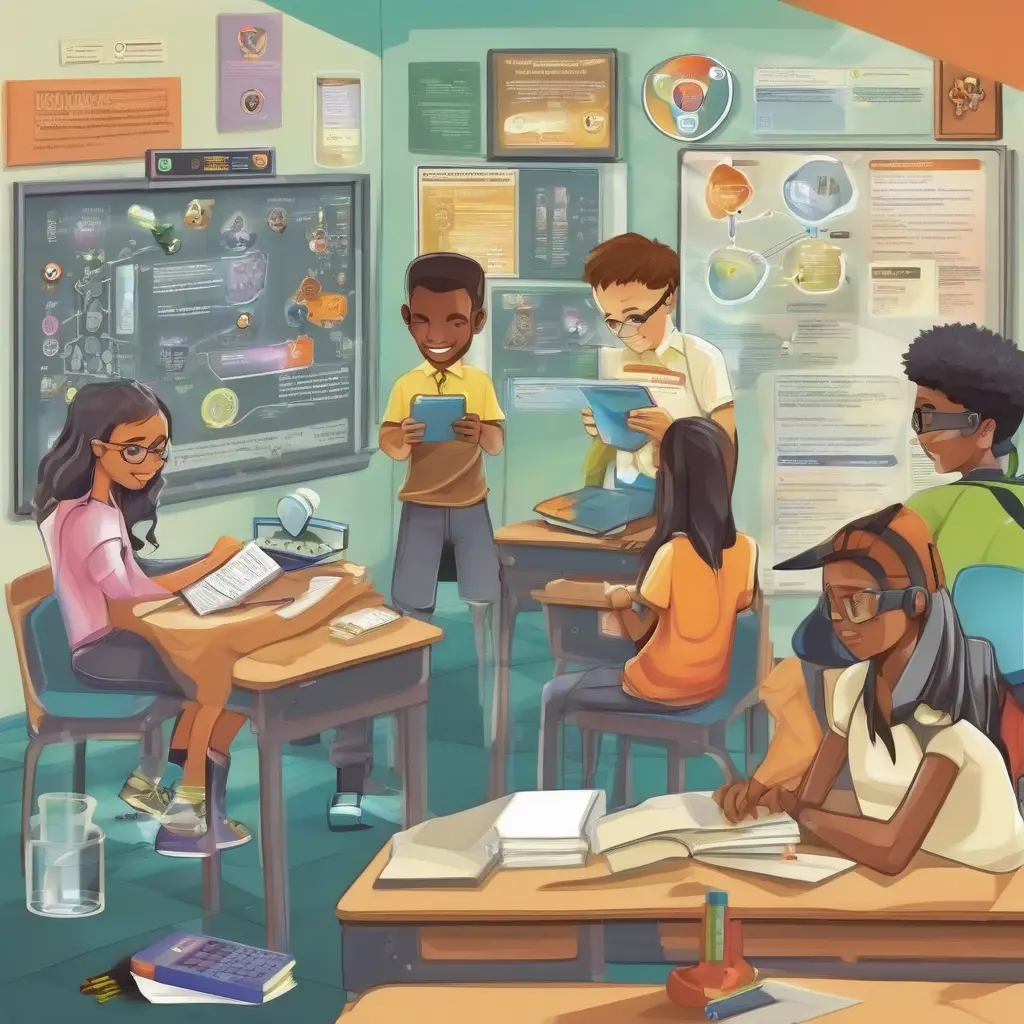
Gamification in education is increasingly recognized as a powerful approach to enhancing student motivation, particularly in middle school science education. As traditional teaching methods often struggle to engage students in this age group, incorporating game-like elements can foster a more interactive and captivating learning environment. This article delves into the impact of gamification on student motivation, examining various strategies, benefits, and challenges educators face in implementing this approach within middle school science curricula.
Understanding Gamification in Education
Gamification refers to the application of game design elements in non-game contexts, aiming to improve user engagement and motivation. In the educational sphere, gamification incorporates features like points, badges, leaderboards, and challenges into learning experiences. By transforming mundane tasks into enjoyable activities, educators can leverage students’ natural inclination toward play. This approach facilitates a more engaging learning atmosphere where students are motivated to explore scientific concepts and apply their knowledge actively.
The Benefits of Gamification in Science Education
The benefits of gamification in science education are manifold. First, it encourages active participation, as students are more likely to engage with lessons that include game-like elements. This motivation translates into increased focus and retention of scientific concepts. Additionally, gamified learning can cater to diverse learning styles; visual learners, for example, benefit from interactive simulations. Finally, gamification often promotes collaboration among students, allowing them to work together to solve problems and complete challenges, thus creating a sense of community in the classroom.
Incorporating Technology in Gamified Learning
Technology plays a crucial role in implementing gamification within middle school science education. Tools such as educational apps, online quizzes, and interactive simulations can enhance the gamified experience. For instance, platforms like Kahoot! or Quizizz allow educators to create engaging quizzes that also serve as assessment tools. By integrating technology, not only do students access dynamic content, but they also develop their digital literacy, which is vital in today’s technology-driven world.
Designing Effective Gamified Activities
Creating effective gamified activities involves thoughtful planning and alignment with learning outcomes. Educators must ensure that game elements serve educational objectives, rather than overshadow them. For instance, using a point system to reward students for completing assignments or participating in discussions can motivate them without sacrificing educational integrity. Additionally, incorporating a variety of gamified activities, such as role-playing or problem-solving challenges, can cater to different interests and abilities, providing a more inclusive learning environment.
Challenges of Implementing Gamification
While gamification offers numerous benefits, it also poses several challenges in implementation. One significant hurdle is the potential for unequal participation among students; some may be more adept at gaming mechanics, overshadowing others. Additionally, educators may face resistance from parents or school administrators who are skeptical of altering traditional teaching methods. Finally, insufficient training on gamification strategies can hinder teachers from effectively integrating these methods, leading to inconsistent student engagement.
Assessment in a Gamified Environment
Assessing student performance in a gamified environment requires innovative approaches that align with the principles of gamification. Traditional assessments may not capture the holistic learning progress of students engaged in gamified activities. Instead, formative assessments, such as reflections on gameplay or peer evaluations, can be more effective. Additionally, educators can utilize data analytics from educational games to monitor student progress in real-time, allowing for personalized feedback and targeted interventions.
Impact on Student Engagement and Achievement
Research indicates that gamification can significantly impact student engagement and achievement in middle school science education. Students exposed to gamified learning environments often report increased interest and enjoyment in the subject matter. This engagement not only enhances their understanding of scientific concepts but also leads to improved academic performance. Furthermore, by fostering a sense of achievement through rewards and recognition, gamification cultivates intrinsic motivation, encouraging students to take ownership of their learning.
Future Trends in Gamification in Education
As technology continues to evolve, the future of gamification in education looks promising. Innovations such as augmented and virtual reality (AR/VR) are poised to take gamified learning to new heights, providing immersive experiences that can deepen scientific understanding. Additionally, AI-driven personalized learning paths may enable tailored gamification strategies suited to individual student needs. As educators become more adept at integrating these technologies, gamification may evolve into a standard practice within middle school science education.
Case Studies on Gamification Success
Numerous case studies highlight the successful implementation of gamification in middle school science classrooms. For instance, schools that adopted game-based learning platforms reported higher student participation rates and improved test scores in science subjects. One particular case involved a collaborative project where students designed their own experiments in a competitive format, which resulted in increased innovation and teamwork among classmates. These case studies illustrate how gamification can not only enhance educational outcomes but also inspire students to pursue deeper scientific inquiries.
Conclusion
In summary, gamification has the potential to significantly enhance student motivation and engagement in middle school science education. By incorporating game elements into the learning experience, educators can create a more dynamic and interactive environment that caters to diverse learning styles. While challenges exist, the benefits of gamification in promoting active participation and deeper understanding are undeniable. As technology and pedagogical practices continue to evolve, the role of gamification in education will likely expand, offering new opportunities for motivating students in their scientific journey.