
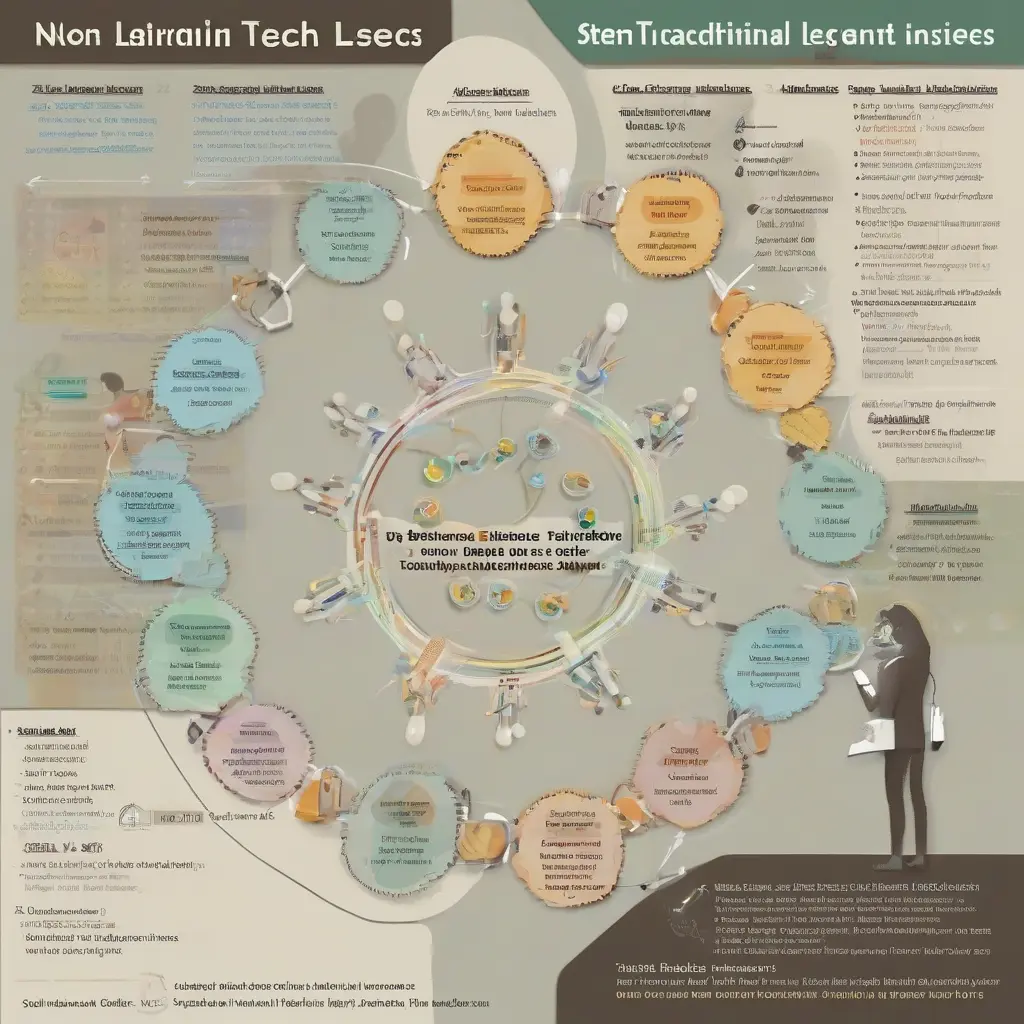
Teaching STEM (Science, Technology, Engineering, and Mathematics) subjects to non-traditional adult learners requires tailored approaches that consider diverse backgrounds and learning preferences. Unlike traditional students, adult learners often come with varying life experiences, time constraints, and varying levels of prior knowledge. Therefore, using effective techniques not only enhances learners’ comprehension but also boosts their motivation and engagement. This article delves into various strategies and methods for teaching STEM subjects to this unique audience, emphasizing practical and interactive approaches that foster a supportive learning environment.
Understanding Adult Learning Principles
To teach STEM subjects successfully to non-traditional adult learners, it’s crucial to first understand the principles of adult learning. Adult learners are generally self-directed and bring a wealth of experience to the educational setting, which can be harnessed to bridge gaps in knowledge. They often value relevance and practical application in their studies, making it essential to relate STEM concepts to real-world scenarios. Additionally, recognizing that adult learners may have time constraints and varied learning styles can help educators tailor their teaching strategies accordingly, enhancing overall effectiveness.
Incorporating Experiential Learning
Experiential learning is an effective way to engage adult learners in STEM subjects, as it allows them to grasp complex theories through hands-on experiences. Activities such as laboratory experiments, field trips, and project-based learning can enrich understanding, making abstract concepts more tangible. Adults often retain information better when they can apply learned theories to real-world problems or projects. By integrating experiential learning into the curriculum, educators not only facilitate deeper understanding but also cultivate critical thinking and problem-solving skills crucial for STEM fields.
Utilizing Technology in STEM Education
The integration of technology in teaching STEM subjects can significantly enhance the learning experience for non-traditional adult learners. Online courses, educational software, and virtual simulations offer flexible learning opportunities that can fit into busy schedules. Resources like video tutorials and interactive platforms enable self-paced learning, allowing students to revisit complex topics as needed. Additionally, utilizing tools such as collaborative online forums can foster peer interaction and community building, creating a supportive environment conducive to sharing ideas and problem-solving.
Encouraging Collaborative Learning
Collaborative learning is another effective technique for teaching STEM subjects to adult learners. Working in groups encourages discussion and allows students to share diverse perspectives, enriching the learning experience for everyone involved. This approach fosters a supportive atmosphere where learners feel comfortable asking questions and expressing ideas. By engaging in group projects or peer teaching, students become more invested in their learning process. Such interactions can also help them build essential soft skills, such as teamwork and communication, which are valuable in the STEM workforce.
Personalizing Learning Experiences
Personalized learning experiences can greatly benefit non-traditional adult learners in STEM education. By tailoring lessons to meet individual learning objectives and interests, educators can enhance motivation and engagement. This can involve offering different pathways for mastering content, such as providing multiple resources or varied assessment options. Regularly seeking feedback from students about their learning experiences allows instructors to adjust their methods and content, creating a more customized learning environment that acknowledges each learner’s unique journey.
Implementing Problem-Based Learning
Problem-based learning (PBL) is a pedagogical approach that centers around engaging students in solving real-world problems, making it particularly effective for adult learners in STEM fields. This method promotes critical thinking, analytical skills, and practical application of theoretical knowledge. By presenting authentic challenges, educators can encourage learners to investigate, research, and collaborate to find solutions. PBL not only enhances understanding but also prepares adult learners for practical, real-life situations they may encounter in their professional lives.
Providing Continuous Support and Feedback
Continuous support and feedback are crucial in teaching STEM subjects to non-traditional adult learners. Regular check-ins and constructive feedback help learners assess their understanding and identify areas for improvement. Educators can create supportive learning environments by being available for questions and providing resources for further exploration. Additionally, fostering a growth mindset within the classroom can empower adult learners to embrace challenges and view setbacks as learning opportunities. This approach promotes resilience and a commitment to lifelong learning in STEM fields.
Encouraging Self-Directed Learning
Encouraging self-directed learning is essential when teaching STEM subjects to non-traditional adult learners, as it nurtures autonomy and motivation. Providing learners with resources and strategies for independent study equips them with the skills to explore topics beyond the classroom setting. Educators can encourage this by facilitating goal-setting and reflection activities that prompt learners to take charge of their educational journey. By fostering self-direction, adults become more invested in their learning process, which can lead to deeper understanding and sustained interest in STEM fields.
Creating a Positive Learning Environment
A positive learning environment is vital for adult learners, as it significantly impacts their engagement and curiosity in STEM subjects. Creating an inclusive space where learners feel respected and valued fosters open dialogue and collaboration. Educators should take care to establish norms that promote mutual respect and encourage participation from all students. Using supportive language and recognizing individual contributions can further enhance learners’ confidence. When adult learners feel at ease, they are more likely to explore complex topics and engage meaningfully with their peers.
Conclusion
Incorporating effective techniques tailored for non-traditional adult learners can transform the teaching of STEM subjects into an enriching experience. By understanding adult learning principles, utilizing technology, and fostering collaboration, educators create an engaging and supportive atmosphere. Personalizing learning paths and encouraging self-directed initiatives further enhance learner engagement. Ultimately, adapting these strategies in STEM education can empower adult learners, equipping them with the necessary skills to thrive in a rapidly evolving world.