
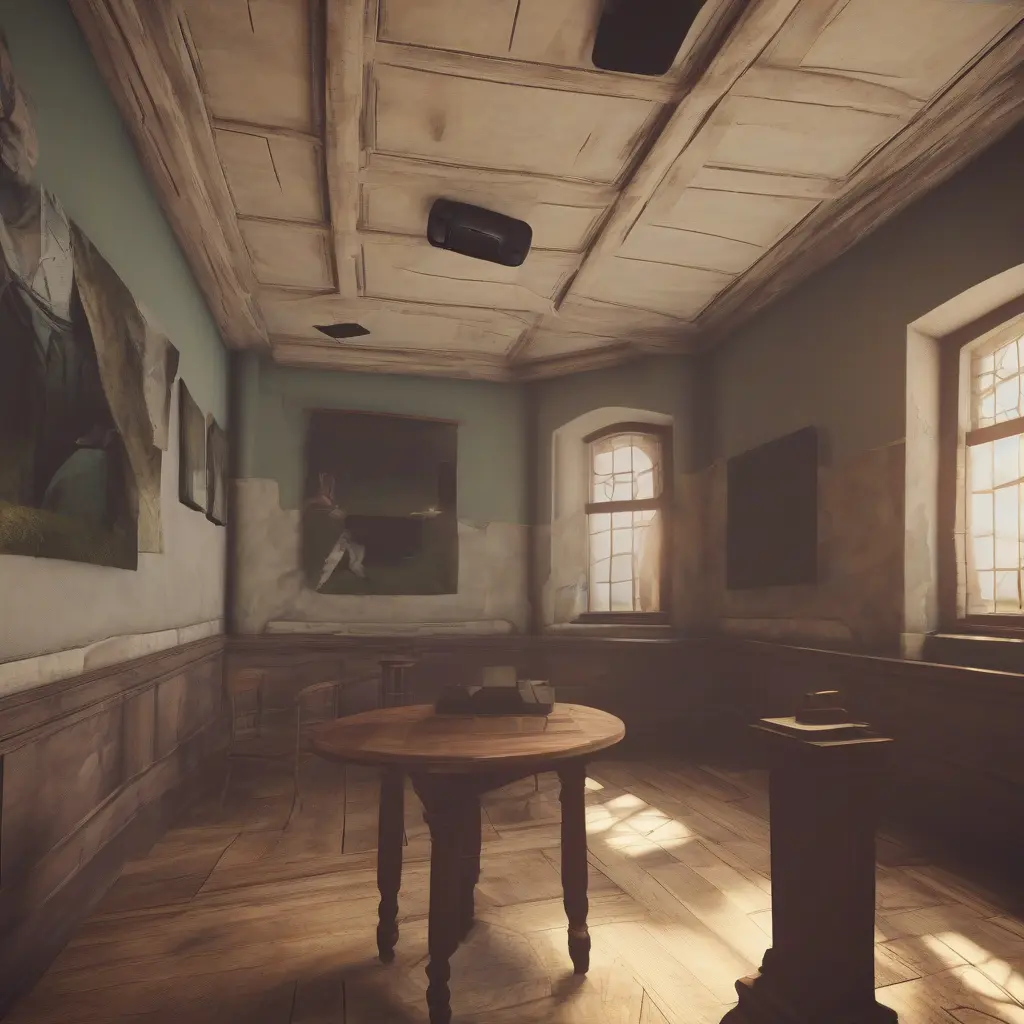
Virtual reality (VR) is revolutionizing the education sector, particularly in the teaching of history. This technology enables students to step inside historical events and environments, transforming passive learning into active engagement. By immersing learners in vividly recreated settings, VR can enhance understanding and retention of historical facts. This approach not only captivates students’ attention but also caters to varied learning styles, thus making history more accessible and enjoyable. The adoption of VR in history education holds the potential to reshape curriculum design and delivery, fostering a deeper appreciation for past events and cultures.
The Role of Virtual Reality in Education
Virtual reality plays a crucial role in modern education by providing interactive simulations that traditional teaching methods cannot deliver. It allows students to engage with content in a more meaningful way, enhancing their ability to absorb complex historical events and timelines. Through immersive experiences, learners can explore ancient civilizations, witness pivotal moments, and understand diverse perspectives that shape history. This dynamic interaction helps demystify timelines and contexts, making abstract concepts tangible, thus fostering critical thinking and analytical skills.
Benefits of VR in History Education
The integration of virtual reality in history education offers multiple benefits, such as improved engagement and enhanced empathy. By placing students in realistic historical scenarios, VR encourages them to empathize with individuals from different eras and cultures. This empathy is vital for developing a well-rounded understanding of human behavior and societal evolution. Moreover, VR enables hands-on learning experiences that traditional methods lack, allowing students to explore environments and artifacts they may never encounter in reality, thereby broadening their educational horizons.
How VR Enhances Historical Understanding
Virtual reality enhances historical understanding by allowing learners to visualize historical events and contexts vividly. When students can virtually traverse ancient Rome or stand on the battlefield during a significant conflict, they acquire a more profound grasp of the socio-political factors at play. This immersive experience promotes critical thinking, as students are encouraged to analyze the consequences of different actions and decisions in a historical narrative. Consequently, they not only recall facts but also gain insights into the continuity and change within history.
Challenges of Implementing VR in Classrooms
Despite its advantages, implementing virtual reality in classrooms poses various challenges. One major obstacle is the cost associated with VR technology, including hardware, software, and maintenance. Schools may also face difficulties in training educators to effectively utilize VR platforms and integrate them into existing curricula. Additionally, access to technology can be limited in underfunded districts, creating disparities in educational opportunities. Addressing these challenges is essential to fully leverage VR’s potential in enhancing history education.
Successful Examples of VR in History Education
Several educational institutions have successfully integrated virtual reality into their history curriculum, yielding positive results. For example, the Anne Frank House uses VR to immerse students in the historical context of Anne Frank’s life during World War II. Similarly, initiatives like Project Explore provide virtual field trips to ancient civilizations, allowing students to step into the shoes of historical figures. These examples illustrate how VR can significantly enhance historical learning, engage students, and make history relevant to contemporary issues.
Future Trends in VR for History Education
The future of virtual reality in history education is promising, with emerging trends likely to shape its application. Advancements in technology will lead to more affordable and accessible VR experiences, enabling wider adoption in classrooms. Innovations like mobile VR applications may allow students to explore history outside of the traditional classroom setting, fostering a love for history beyond school walls. Collaborations between historians, educators, and technologists will also ensure that content remains accurate, engaging, and relevant to current educational standards.
Expanding Accessibility with Virtual Reality
Accessibility is a critical aspect of utilizing virtual reality for history education. Advances in VR technology are increasingly focused on creating inclusive experiences for students with disabilities. For instance, customizations in VR settings can accommodate various needs, ensuring all students can engage meaningfully with historical content. Moreover, educators can leverage VR to transcend geographical barriers, allowing students from diverse backgrounds to experience historical events. This democratization of access to historical education enhances overall learning experiences and promotes equity within classrooms.
Building Critical Thinking Through Immersive Experiences
Immersive experiences in virtual reality cultivate critical thinking skills by prompting students to ask questions about the historical narratives presented to them. When students interact with virtual environments, they must assess the validity of what they observe and how it aligns with their existing knowledge. This inquiry-based approach encourages them to think critically about sources, perspectives, and the complexities of history. By analyzing causes, consequences, and the interplay between different historical actors, students develop a nuanced understanding that extends beyond mere memorization of dates and events.
Engaging Different Learning Styles with VR
Virtual reality caters to various learning styles, making history education more effective. Kinesthetic learners thrive in interactive environments allowing them to manipulate objects and experiment with historical scenarios. Visual learners benefit from the rich graphics and immersive narratives that VR offers, enhancing their comprehension and retention of information. Auditory learners can engage with narrated experiences and dialogues that bring history to life. By providing alternative pathways for learning, VR ensures that all students can connect with historical content in a way that resonates with them.
Conclusion
In conclusion, virtual reality has the potential to transform history education by fostering immersive learning experiences that deeply engage students. Through its ability to cater to diverse learning styles and enhance empathy, VR provides a unique platform for exploring complex historical narratives. While challenges exist in implementation, ongoing advancements and successful case studies indicate a promising future for VR in education. Ultimately, utilizing virtual reality can lead to a more inclusive, engaging, and comprehensive understanding of history, paving the way for informed global citizens.