
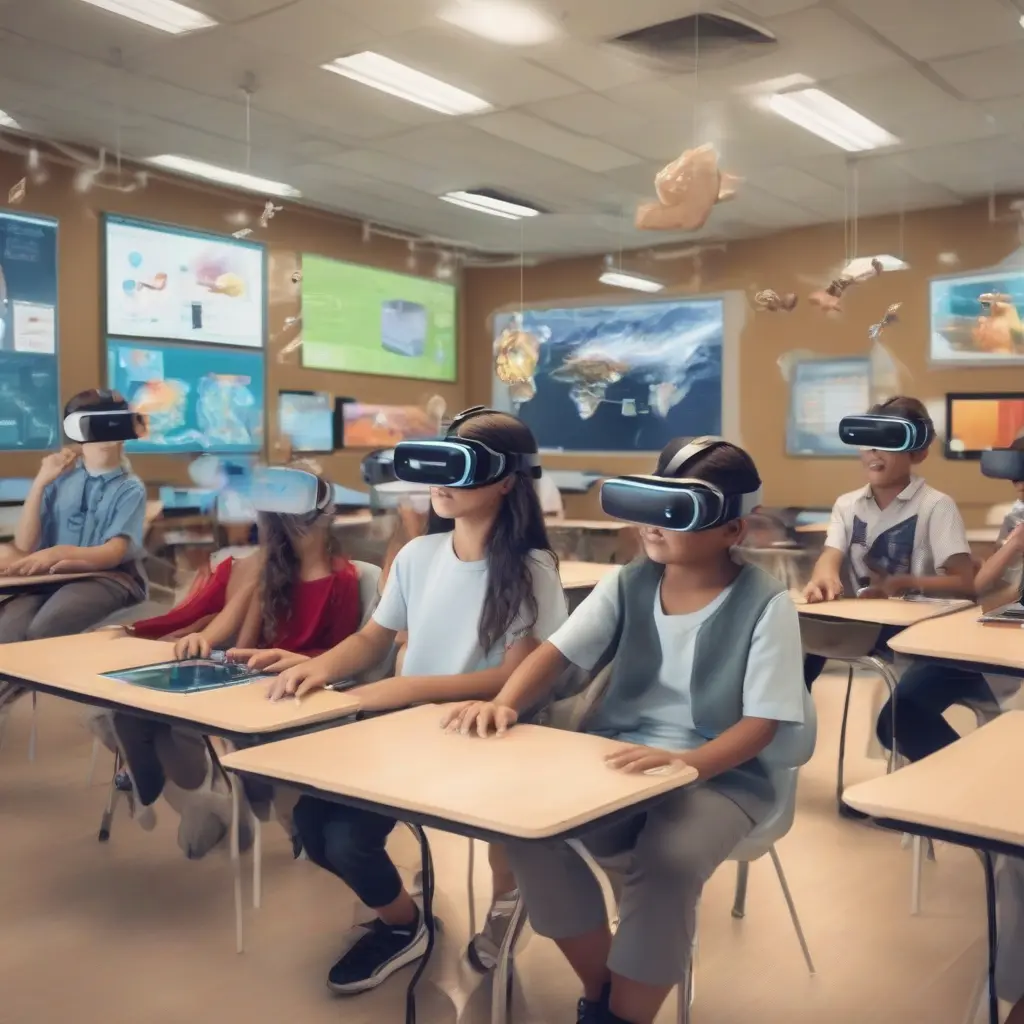
Virtual reality (VR) is revolutionizing education by providing immersive learning experiences that genuinely engage students. This technology enables learners to explore complex concepts and environments in a way traditional methods cannot. With its ability to create realistic simulations, VR enhances understanding and retention of information. Students can now experience historical events, conduct scientific experiments, and explore geographical locations all from their classrooms. As educational institutions continue to adopt VR technology, it is becoming clear that this innovative approach not only makes learning more enjoyable but also prepares students for a technology-driven future.
What is Virtual Reality?
Virtual reality (VR) refers to a computer-generated environment that allows users to interact with a three-dimensional space. This technology creates a simulated experience that can replicate the real world or envision entirely new environments. Users typically wear headsets equipped with screens that provide a 360-degree view, enabling them to feel immersed in the digital world. In education, VR applications range from interactive lessons to virtual field trips, enhancing the overall learning experience. By integrating VR into curricula, educators can adapt teaching methods to cater to different learning styles and capabilities.
How VR Enhances Learning Engagement
One of the significant benefits of virtual reality in education is its ability to enhance student engagement. Traditional teaching methods, such as lectures and textbooks, often fail to capture students’ attention. In contrast, VR technology provides interactive experiences that stimulate curiosity and enthusiasm for learning. For instance, students can walk through ancient civilizations or explore the human body, making abstract concepts tangible. This immersive approach encourages active participation, allowing students to engage with the material in meaningful ways. As a result, educators report improved focus and motivation among learners exposed to VR applications.
Cognitive Benefits of VR in the Classroom
Research indicates that virtual reality can enhance cognitive abilities by offering experiential learning opportunities. When students engage with VR, they not only observe but actively participate in the learning process. This hands-on involvement promotes critical thinking and problem-solving skills, as students must navigate and interact with the virtual environment. Furthermore, VR can cater to diverse learning styles, benefiting visual learners through stunning graphics and auditory learners through immersive soundscapes. As students grasp complex topics through VR, they are more likely to retain knowledge and understand the material thoroughly.
Inclusive Learning through VR
Virtual reality has the potential to foster inclusivity in education by accommodating various learning needs. Students with disabilities often face challenges in traditional learning environments, but VR can provide tailored experiences to meet their requirements. For example, those with mobility impairments can explore places they may never visit in person, while those with sensory processing disorders can gradually adapt to stimulating environments at their own pace. The adaptability of VR promotes equitable access to education, ensuring that all students benefit from immersive learning opportunities without facing barriers.
Virtual Field Trips and Experiential Learning
VR technology enables virtual field trips that provide students with experiences previously limited by geography or cost. Instead of traveling to distant locations, learners can immerse themselves in diverse settings—from the depths of the ocean to outer space—without ever leaving their classrooms. These virtual excursions not only expand students’ understanding of various subjects but also make learning more relatable and practical. Educators can use virtual field trips to supplement lessons and explore real-world applications of concepts, making the learning experience dynamic and engaging.
Challenges of Implementing VR in Education
Despite its benefits, the integration of virtual reality in education comes with challenges. Cost is a significant barrier, as acquiring VR equipment and developing educational content can be expensive for schools with limited budgets. Additionally, teachers may require training to effectively implement VR in their lessons. There may also be concerns regarding accessibility and whether all students can benefit from the technology equally. Educators must address these challenges to ensure that the advantages of VR are realized in a way that is sustainable and accessible to a broader audience.
Future of VR in Educational Practices
The future of virtual reality in education looks promising as technology continues to advance. Emerging trends include the development of more affordable VR headsets and a growing library of educational content tailored for varied subjects. Furthermore, collaboration between educators and VR developers is anticipated to create customized experiences that address specific curriculum needs. As schools increasingly embrace digital transformation, VR can become a vital tool in modern educational practices, enhancing not just engagement but also fostering a more profound understanding of complex topics through immersive experiences.
Conclusion
In conclusion, virtual reality is rapidly reshaping the educational landscape by providing immersive and engaging learning experiences. Its ability to enhance engagement, cater to diverse learning styles, and create experiential learning opportunities makes it a valuable asset in today’s classrooms. Although challenges such as cost and accessibility persist, the potential benefits far outweigh the drawbacks. As educational institutions continue to explore and integrate VR technology, the future of learning seems brighter, paving the way for innovative approaches that prepare students for an increasingly digital world.