In the rapidly evolving landscape of employment, remote job interviews have become a staple for many organizations. This guide serves as a comprehensive resource to equip job seekers with effective strategies for succeeding in virtual interviews. Key aspects include mastering technology, creating a professional atmosphere, and honing your interview skills. Understanding the nuances of virtual communication can help candidates make a lasting impression. With thorough preparation and the right mindset, applicants can navigate remote interviews with confidence, showcasing their qualifications and cultural fit for the organization.
Familiarize Yourself with Virtual Interview Platforms
One of the first steps in preparing for a remote job interview is to familiarize yourself with the various virtual platforms that companies use. Common platforms include Zoom, Microsoft Teams, and Google Meet. Each platform has unique features like screen sharing, chat functions, and breakout rooms. Knowing how to navigate these tools will enhance your confidence during the interview. Additionally, understanding the platform’s etiquette, such as muting yourself when not speaking, can project professionalism and reduce background noise significantly.
Check Your Technology
Conducting a technology check before your interview is crucial for ensuring a smooth experience. Verify that your internet connection is stable to avoid interruptions. Testing your microphone and camera will help you present yourself clearly. Using a headset can improve audio quality and minimize feedback. It’s wise to have a backup plan as well, such as an alternative device available in case technical difficulties arise. By preparing your technology beforehand, you can focus on the interview itself rather than troubleshooting mid-conversation.
Set Up a Professional Interview Environment
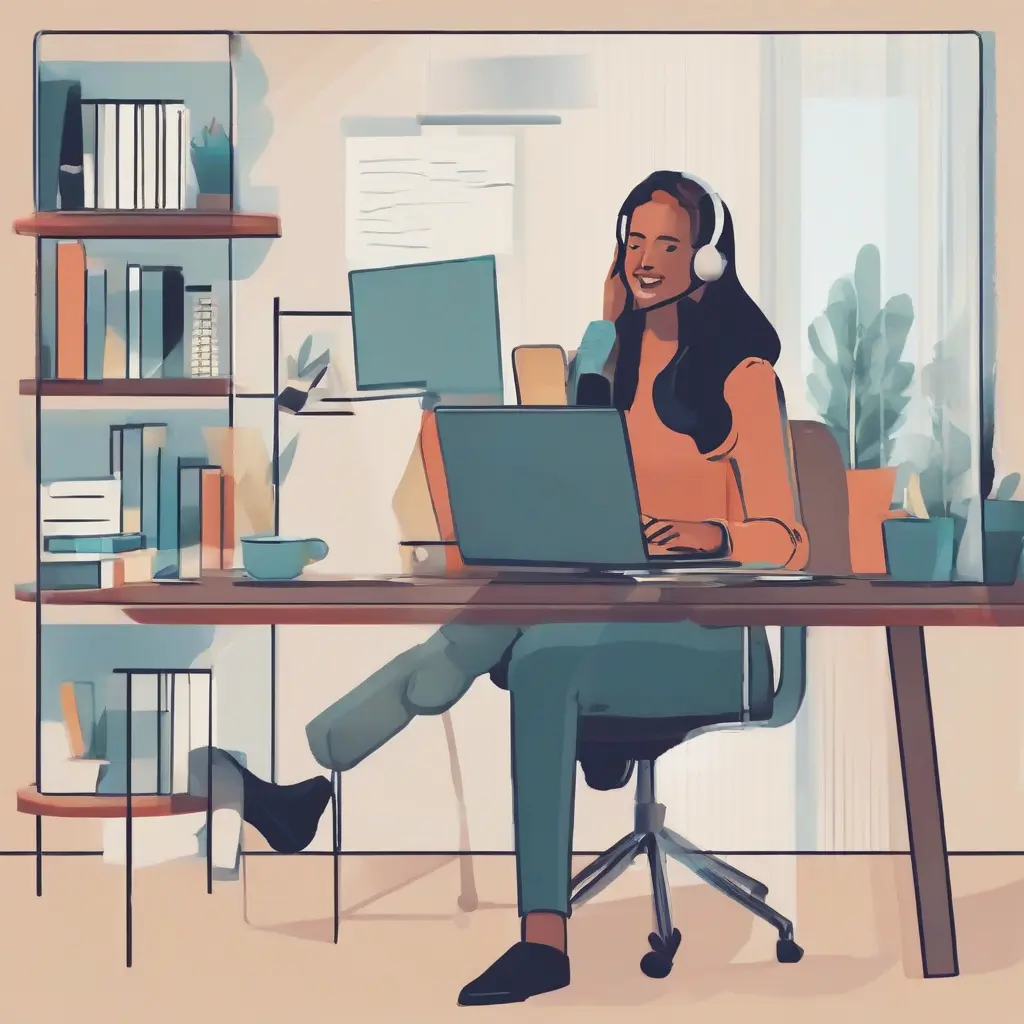
Creating a conducive environment for your remote interview can significantly affect the overall impression you make. Choose a quiet, well-lit space with minimal distractions. Ideally, your background should be neutral or professional, such as a tidy room or a virtual background that aligns with the company culture. Make sure that you appear well-groomed and dressed appropriately for the industry. This setup not only reflects your seriousness about the position but also establishes a comfortable space for you to express yourself.
Dress Professionally from Head to Toe
While it may be tempting to dress casually for a remote interview, maintaining a professional appearance is essential. Dress in business attire that reflects the company culture and the role for which you are applying. This practice not only boosts your confidence but also prepares your mindset for the interview. Many candidates overlook the importance of being fully dressed, including wearing appropriate shoes. Regardless of whether they are visible on camera, dressing the part reinforces a professional attitude and enhances your focus during the interview.
Perfect Your Body Language
Effective communication goes beyond the words you choose; body language plays a pivotal role, especially in remote settings. Maintain eye contact by looking at the camera, not the screen. Sit up straight to convey confidence and engagement, and use hand gestures naturally to emphasize points. Avoid distractions such as checking your phone or fidgeting, as these behaviors can detract from your professionalism. Practicing good body language will help you connect better with interviewers and present yourself as an engaged and focused candidate.
Anticipate Common Interview Questions
Preparation is key when it comes to mastering remote interviews. Review common interview questions such as those about your strengths, weaknesses, and past experiences. Develop answers that are concise yet informative, and bolster them with specific examples. The STAR method (Situation, Task, Action, Result) is an effective framework for structuring your responses, ensuring clarity and impact. Being well-prepared will not only enhance your performance but also ease nerves, allowing you to speak confidently and clearly during the interview.
Engage Actively with Interviewers
Engaging meaningfully with your interviewers can set you apart as a candidate. Ask insightful questions about the role, team dynamics, and company culture, showcasing your enthusiasm and interest. Demonstrating curiosity provides a two-way conversation, turning the interview into a collaborative discussion rather than a one-sided interrogation. Listen carefully to their responses and follow up where appropriate, facilitating a natural dialogue that enhances rapport. This engagement can leave a lasting impression and align you more closely with the organization’s values and needs.
Follow Up with a Thank You Note
Post-interview follow-up is a critical step that many job seekers overlook. Sending a thank-you email within 24 hours shows gratitude for the opportunity and highlights your professionalism. In your email, reference specific topics discussed during the interview to personalize your message and reinforce your suitability for the position. A well-crafted follow-up not only keeps you top-of-mind for interviewers but also demonstrates your commitment to the role and appreciation for their time and consideration.
Practice Makes Perfect
One of the best ways to prepare for remote interviews is through practice. Conduct mock interviews with friends or family to simulate the experience and receive constructive feedback. This exercise allows you to refine your responses, improve your technology handling, and enhance your body language. Recording these sessions can also be insightful, providing a chance to review your performance critically. The more prepared you are, the more confidently you will walk into the actual interview, leading to a better overall outcome.
Stay Flexible and Positive
Flexibility and a positive attitude are essential when navigating remote interviews. Given the unpredictable nature of video conferencing, being adaptable will help you respond to unexpected challenges gracefully. Viewing each interview as a learning experience, regardless of the outcome, can also contribute to a strong, resilient mindset. This adaptability is often a quality that employers seek, as it indicates your ability to thrive in dynamic environments and face challenges head-on with positivity.
Conclusion
Successfully navigating remote job interviews requires preparation, professionalism, and the ability to adapt to changing circumstances. By mastering technology, setting up a professional environment, and honing communication skills, you can present yourself effectively to potential employers. Every aspect of the virtual interview—from your attire to your engagement—plays a role in showcasing your qualifications. With these tips in mind, you can approach remote interviews confidently, maximizing your chances of securing the job you desire.