
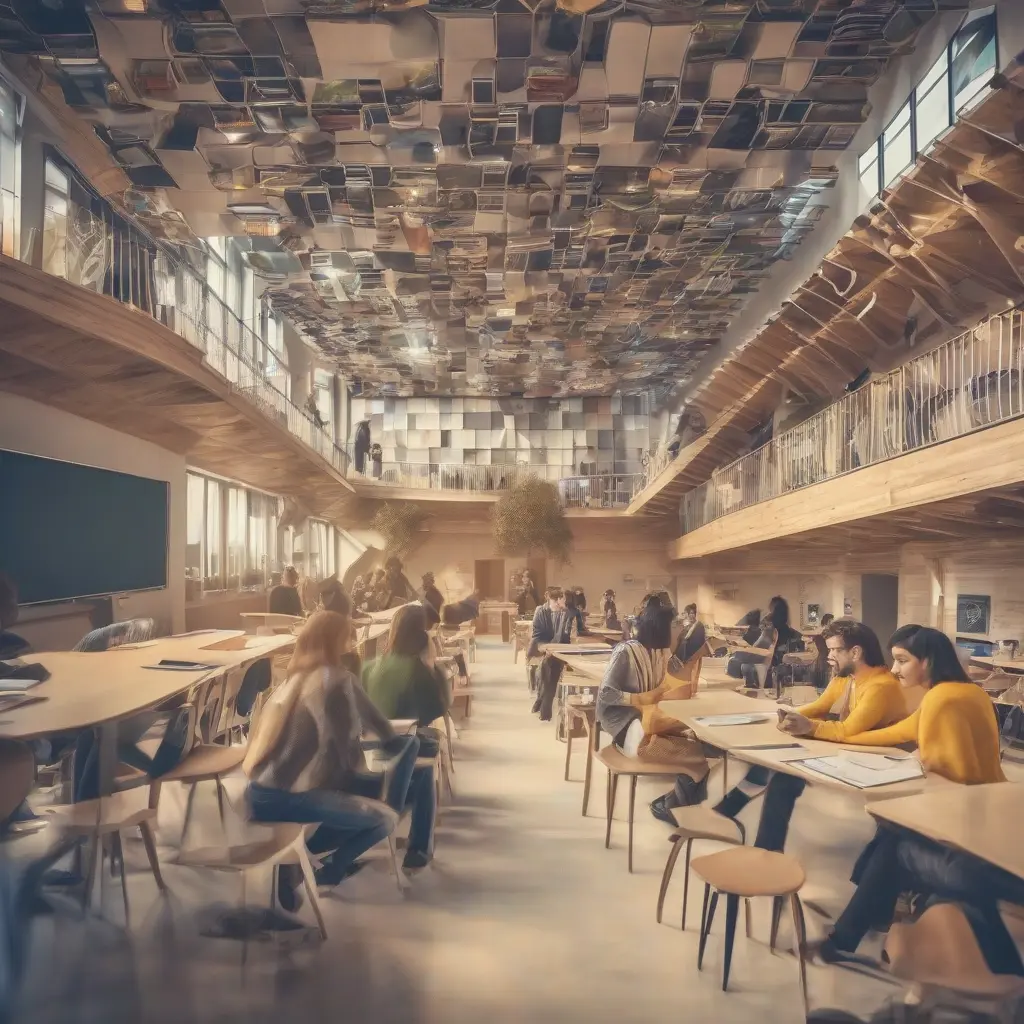
The future of higher education is being shaped by various transformative trends that promise to alter the landscape of learning significantly. As technology evolves, so too do the methodologies used in teaching and learning. From the proliferation of online courses to a shift toward experiential learning and increased focus on lifelong education, these trends reflect the changing demands of students and employers alike. Moreover, the rise of alternative credentialing programs and an emphasis on personalized learning experiences signify a pivotal moment in the education sector. This article delves into key trends that are expected to define the next decade of higher education.
The Rise of Online Learning Platforms
The surge in online learning platforms, fueled by advancements in technology and changing student preferences, is revolutionizing higher education. These platforms allow students to access quality educational content from anywhere in the world, dramatically increasing accessibility. Institutions are now offering a range of online degrees and courses, catering to diverse learning styles and schedules. This flexibility makes it easier for students to balance education with work and other commitments, reducing the barriers traditionally associated with higher education enrollment.
Emphasis on Lifelong Learning
As job markets and industries continue to evolve, the concept of lifelong learning has gained traction. More individuals are seeking opportunities to upskill or reskill throughout their careers, leading to an increased demand for programs that accommodate working professionals. Educational institutions are responding by introducing modular courses and micro-credentials that enable learners to acquire specific skills as needed. This shift promotes a culture of continuous education, ensuring individuals remain competitive in an ever-changing job landscape.
Experiential Learning Opportunities
Experiential learning, which emphasizes hands-on, practical experiences, is becoming a cornerstone of higher education. This approach allows students to apply theoretical knowledge in real-life situations, enhancing their skills and preparing them for future careers. Collaborations with businesses for internships, co-op programs, and service-learning initiatives provide students with invaluable experiences that traditional classroom settings often lack. As employers increasingly value practical experience, institutions are likely to expand these opportunities to improve student outcomes.
Integration of Artificial Intelligence
Artificial intelligence (AI) is set to play a significant role in the future of higher education. AI technology can personalize the learning experience by adapting content and teaching methods to individual student needs. Furthermore, AI-powered tools can assist in identifying students who may require additional support, thereby enhancing retention rates. The potential for predictive analytics to inform educational decisions and improve program effectiveness makes AI a powerful ally for institutions looking to stay competitive and responsive.
The Shift Towards Alternative Credentials
As traditional degree programs face scrutiny over their efficacy and relevance, alternative credentials are gaining popularity. Certificates, badges, and micro-credentials serve as viable options for individuals seeking to demonstrate specific skills and knowledge without committing to a full degree program. Many educational institutions are recognizing the value of these alternatives, often incorporating them into their curricula. This trend reflects a broader shift toward outcomes-based education, where the focus is on demonstrating competency rather than simply accumulating credits.
Stress on Mental Health and Wellbeing
In recent years, there has been a growing awareness of the importance of mental health and wellbeing in educational environments. Institutions are increasingly recognizing the need to create supportive learning spaces that prioritize students’ emotional and psychological needs. This includes offering counseling services, stress management programs, and wellness initiatives aimed at fostering a healthy campus culture. By addressing these issues, institutions can help students thrive academically and personally, impacting overall educational outcomes positively.
Personalized Learning Experiences
Personalized learning is gradually becoming a standard approach in higher education, leveraging technology to tailor educational experiences to individual students. Adaptive learning platforms assess students’ strengths and weaknesses, providing customized resources and support to enhance learning outcomes. This shift recognizes that each student learns differently, and offers pathways that align with their unique goals. By catering to individual learning preferences, institutions can foster greater engagement and improve overall student success rates.
Collaboration Between Institutions and Industry
Collaboration between higher education institutions and industry stakeholders is becoming essential in fostering skilled graduates. Partnerships that facilitate shared resources, internships, and mentoring opportunities help bridge the gap between academic learning and real-world application. Employers are increasingly involved in curriculum development, ensuring that educational programs align with industry needs and trends. This collaboration enhances graduates’ employability, making them more attractive to potential employers and fostering a dynamic workforce.
Accessibility and Inclusivity in Education
The future of higher education must prioritize accessibility and inclusivity to ensure that all students have equitable opportunities to succeed. Institutions are developing strategies to accommodate diverse learning needs by providing resources for students with disabilities and creating inclusive environments. This includes implementing universal design principles in curricula and utilizing technology to enhance engagement for all learners. As diversity becomes a hallmark of educational institutions, efforts to create welcoming and supportive spaces will take center stage.
Globalization of Education
The globalization of education is reshaping how institutions operate and engage with a wider array of cultures and ideas. International collaborations, student exchange programs, and joint degree offerings are becoming more common as schools recognize the value of diverse perspectives. This trend not only enriches the academic experience but also prepares students to succeed in a global job market. As globalization continues to influence higher education, the interconnectedness among institutions worldwide will likely strengthen.
Conclusion
The future of higher education is being redefined by a myriad of trends that promise to create a more inclusive, accessible, and personalized learning environment. As technology continues to advance and societal expectations evolve, educational institutions must adapt to remain relevant and effective. By embracing these trends, higher education can better prepare students for the challenges and opportunities that lie ahead, ensuring success in a dynamic job market and fostering lifelong learning.