
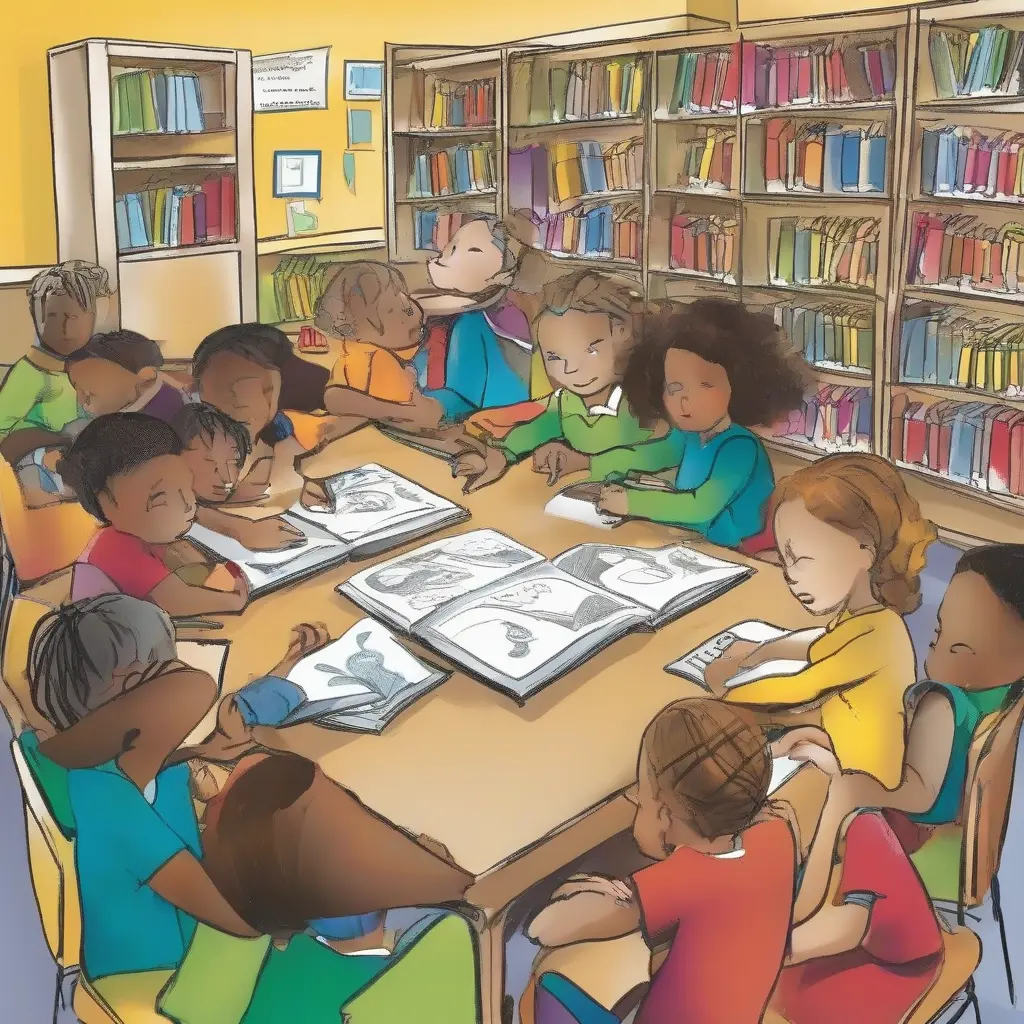
In today’s educational landscape, catering to diverse learner needs in primary education is crucial for fostering an inclusive environment. Flexible learning environments not only accommodate varying learning styles but also enable personalized approaches that enhance student engagement and achievement. By integrating diverse instructional methods, classroom layouts, and resources, educators can create spaces that promote collaboration, creativity, and critical thinking. This guide explores how schools can effectively implement these strategies to ensure that every learner receives the essential support necessary for their academic journey.
Understanding Diverse Learner Needs
Diverse learner needs encompass a wide range of factors, including learning styles, cultural backgrounds, and individual abilities. Recognizing these differences is the first step toward creating supportive learning environments. Teachers must assess the varied needs of their students to understand how best to support their educational journeys. This involves gathering data through formative assessments, surveys, and observations. Understanding these unique requirements allows educators to tailor their approaches, ensuring that all students feel valued and equipped to succeed academically.
The Importance of Flexible Learning Spaces
Flexible learning spaces are pivotal in creating an environment where students can thrive. These spaces often feature movable furniture, collaborative zones, and technology-enhanced learning areas. Such flexibility allows for different teaching styles to be utilized, whether through individual work, group projects, or hands-on activities. By designing classrooms with adaptability in mind, educators can respond effectively to the dynamic nature of student learning, fostering a sense of autonomy and encouraging active participation among learners.
Integrating Technology in Learning Environments
Technology plays a significant role in flexible learning environments, offering various tools that cater to diverse learner needs. Digital resources, such as interactive software and online learning platforms, enable personalized learning experiences that can be tailored to individual preferences and paces. Additionally, technology facilitates collaboration among students, helping them engage in peer interactions and group work seamlessly. Incorporating these tools not only enhances learning but also prepares students for a technology-driven future, fostering essential 21st-century skills.
Encouraging Collaboration and Interaction
Promoting collaboration and interaction in the classroom is essential for catering to diverse learners. Group activities encourage students to share ideas, learn from one another, and build social skills. This approach also supports those who may struggle with traditional teaching methods by providing them with alternative opportunities to demonstrate their understanding. Educators can foster a collaborative environment by using project-based learning, where students work together toward a common goal, further enhancing engagement and inclusivity.
Differentiating Instruction Techniques
Differentiated instruction is a strategy that enables teachers to address the varied learning needs of their students effectively. This approach involves modifying content, processes, or products based on each student’s readiness, interests, and learning profile. Educators can employ various techniques, such as tiered assignments or learning stations, to ensure that all learners receive appropriate challenges and support. By offering multiple pathways to success, teachers can help every student achieve their potential and foster a love of learning.
Supporting Social-Emotional Learning
Supporting social-emotional learning (SEL) is crucial in flexible learning environments, as it addresses the emotional and social needs of students. By integrating SEL initiatives into daily routines, educators can help students develop self-awareness, relationship skills, and responsible decision-making capabilities. Activities such as mindfulness exercises, cooperative games, and emotional check-ins can significantly enhance students’ mental well-being. This holistic approach not only supports academic success but also promotes a healthy classroom community where all learners feel safe and respected.
Involving Parents and Guardians
Engaging parents and guardians in the educational process is vital to the success of flexible learning environments. Schools can encourage participation through regular communication, workshops, and volunteer opportunities. By keeping families informed and involved, educators foster a sense of community and support that extends beyond the classroom. This partnership ensures that parents can reinforce learning at home, thus creating a more holistic educational experience for students while addressing their diverse needs.
Assessing the Effectiveness of Flexible Learning Environments
Regular assessment is essential to measure the effectiveness of flexible learning environments. Educators should gather feedback from students, parents, and fellow teachers to identify strengths and areas for improvement. Utilizing various assessment methods, including anecdotal records, self-reflections, and academic outcomes, allows educators to adjust their practices accordingly. By continually refining these environments, schools can ensure that they meet the needs of all learners, fostering an atmosphere of growth and progression.
Professional Development for Educators
Ongoing professional development is crucial for educators working in flexible learning environments. Teachers benefit from training in new instructional strategies, technology integration, and classroom management techniques that accommodate diverse learner needs. Participating in workshops, attending conferences, and collaborating with peers can provide valuable insights and resources. Investing in professional development not only enhances teaching practices but also empowers educators to create more effective, inclusive learning spaces for their students.
Conclusion
Implementing flexible learning environments in primary education is a vital strategy for addressing the diverse needs of learners. By understanding these needs and employing various instructional techniques, educators can create dynamic, inclusive classrooms that foster student growth. As schools continue to innovate and adapt, the focus on flexible learning will nurture an environment where every child can excel, ensuring they are prepared for future educational challenges.