
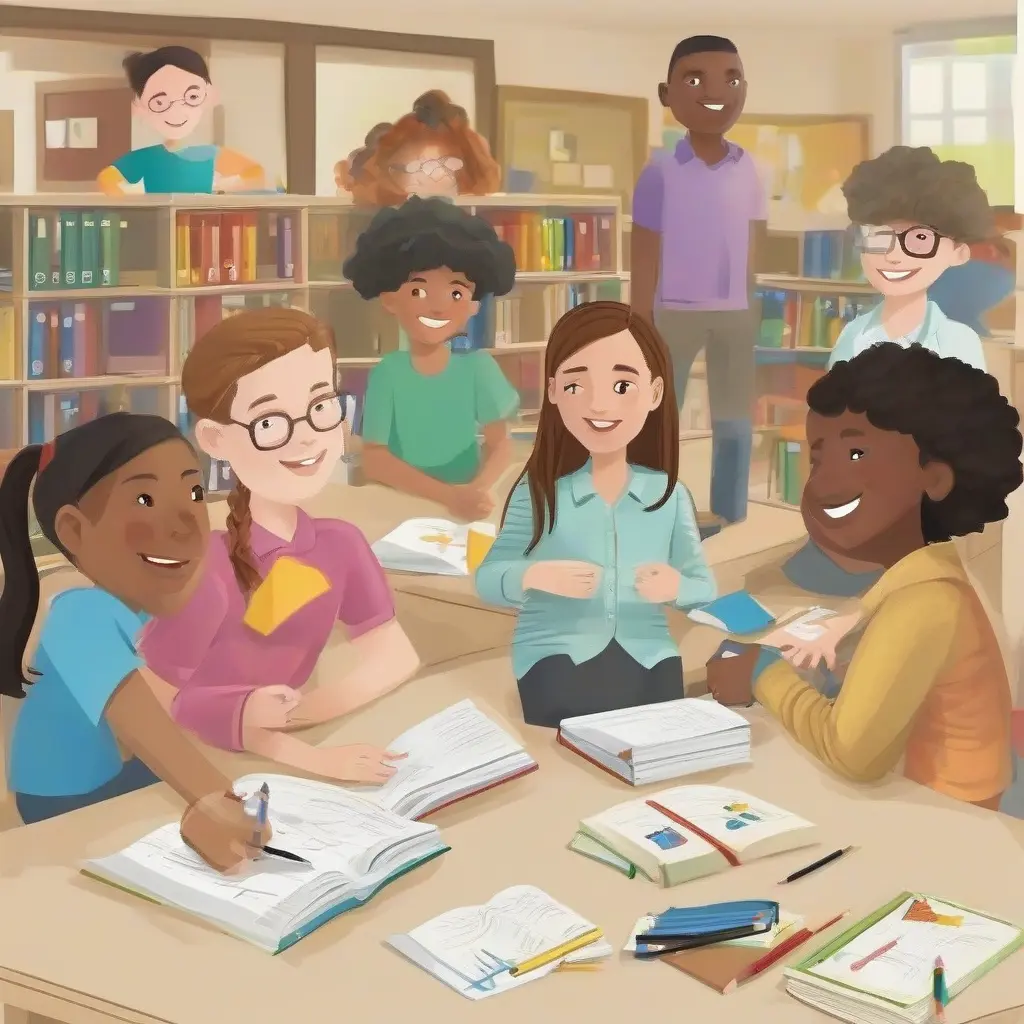
In today’s educational landscape, creating inclusive classrooms is essential for fostering a supportive learning environment where every student can thrive. Catering to students with diverse needs, including physical, emotional, and cognitive challenges, goes beyond mere compliance with regulations; it promotes equality and enriches learning for all. This article offers practical tips and strategies for educators to enhance inclusivity, ensuring that culture, background, and ability level do not hinder a student’s educational experience.
Understand Diverse Learning Needs
Understanding the diverse learning needs of students is the first step to creating an inclusive classroom. Students come from varying backgrounds and possess unique abilities that can affect how they learn and interact. Familiarizing oneself with commonly recognized learning difficulties, such as dyslexia, ADHD, and autism spectrum disorder, helps teachers design strategies tailored to individual needs. This awareness allows for the implementation of differentiated instruction, paving the way for a supportive environment that encourages all students to engage and succeed.
Foster an Inclusive Classroom Culture
Fostering an inclusive classroom culture requires intentional actions and principles that promote respect and understanding. Teachers should encourage cooperative learning, where students work together in diverse groups, allowing them to learn from each other’s unique perspectives. Additionally, celebrating cultural diversity within the classroom can build a sense of belonging among students. Employing inclusive language and practices also reinforces the message that every student is valued, ultimately enhancing participation and collaboration.
Implement Differentiated Instruction
Differentiated instruction is a key strategy for addressing the diverse needs of students. This approach involves tailoring lessons and activities to meet the varying readiness levels, interests, and learning profiles of each student. Teachers can utilize flexible grouping, modify teaching materials, and offer multiple means of assessment to accommodate all learners. By considering students’ individual strengths and challenges, educators can enhance engagement and facilitate deeper understanding of the content, leading to improved outcomes for everyone.
Utilize Assistive Technology
The integration of assistive technology in the classroom can significantly support students with diverse needs. Tools such as speech-to-text software, audio books, and interactive learning applications provide additional resources for students facing challenges related to reading, writing, and organization. These technologies not only assist in overcoming barriers but also empower students to be more independent in their learning process. Educators should stay informed about the latest advancements in assistive technology to effectively incorporate these tools into their teaching methods.
Encourage Open Communication
Open communication is vital for creating an inclusive classroom environment where students feel safe to express their thoughts and needs. Educators should promote an atmosphere conducive to dialogue, offering students multiple channels to share their perspectives, whether through discussions, one-on-one meetings, or anonymous feedback. Building positive relationships with students encourages them to voice concerns or challenges they may face. Involving parents and caregivers in conversations about their child’s needs can also provide valuable insights and strengthen the support network for students.
Provide Social-Emotional Support
Social-emotional support is essential in an inclusive classroom, as it addresses the emotional and psychological well-being of students alongside academic learning. Educators should incorporate social-emotional learning (SEL) practices into their curriculum, helping students develop skills such as empathy, resilience, and teamwork. Activities that foster peer connections, alongside counseling services and mindfulness practices, can create a secure environment where students feel valued and understood. This focus on social-emotional health can ultimately improve not only individual learning outcomes but also the overall classroom community.
Involve Community Resources
Involving community resources can greatly enhance the support provided to students with diverse needs. Local organizations, mental health professionals, and specialty educators can offer services and insights that enrich the educational experience. Collaborating with these community partners helps create a network of support that extends beyond the classroom. Additionally, partnerships with local universities can bring in student teachers who are trained in inclusive practices, providing extra assistance in the classroom and contributing to a holistic educational environment.
Regularly Assess and Adjust Strategies
Regular assessment of teaching methods and strategies is crucial for ensuring that all students are receiving the support they need. Educators should continually evaluate the effectiveness of their approaches and be willing to pivot or modify strategies as necessary. This could involve gathering feedback from students, analyzing assessment results, and collaborating with special education professionals. By remaining flexible and responsive to the dynamic needs of a diverse classroom, educators can foster an environment where all students can excel.
Provide Professional Development for Educators
Investing in professional development for educators is essential in creating inclusive classrooms. Training programs focused on diversity, equity, and inclusion equip teachers with the knowledge and skills needed to better understand and support students with diverse needs. Workshops that cover topics such as differentiated instruction, culturally responsive teaching, and the latest educational research can enhance teaching practices. Continuous learning opportunities encourage educators to stay engaged with current methodologies and adapt to new challenges in the classroom.
Conclusion
Creating inclusive classrooms requires a multifaceted approach that embraces the diverse needs of all students. By understanding different learning requirements, fostering a respectful culture, and implementing various supportive strategies, educators can significantly enhance the educational experience for every child. The commitment to inclusivity not only empowers students but also enriches the classroom community as a whole, laying the foundation for a more equitable future in education.