
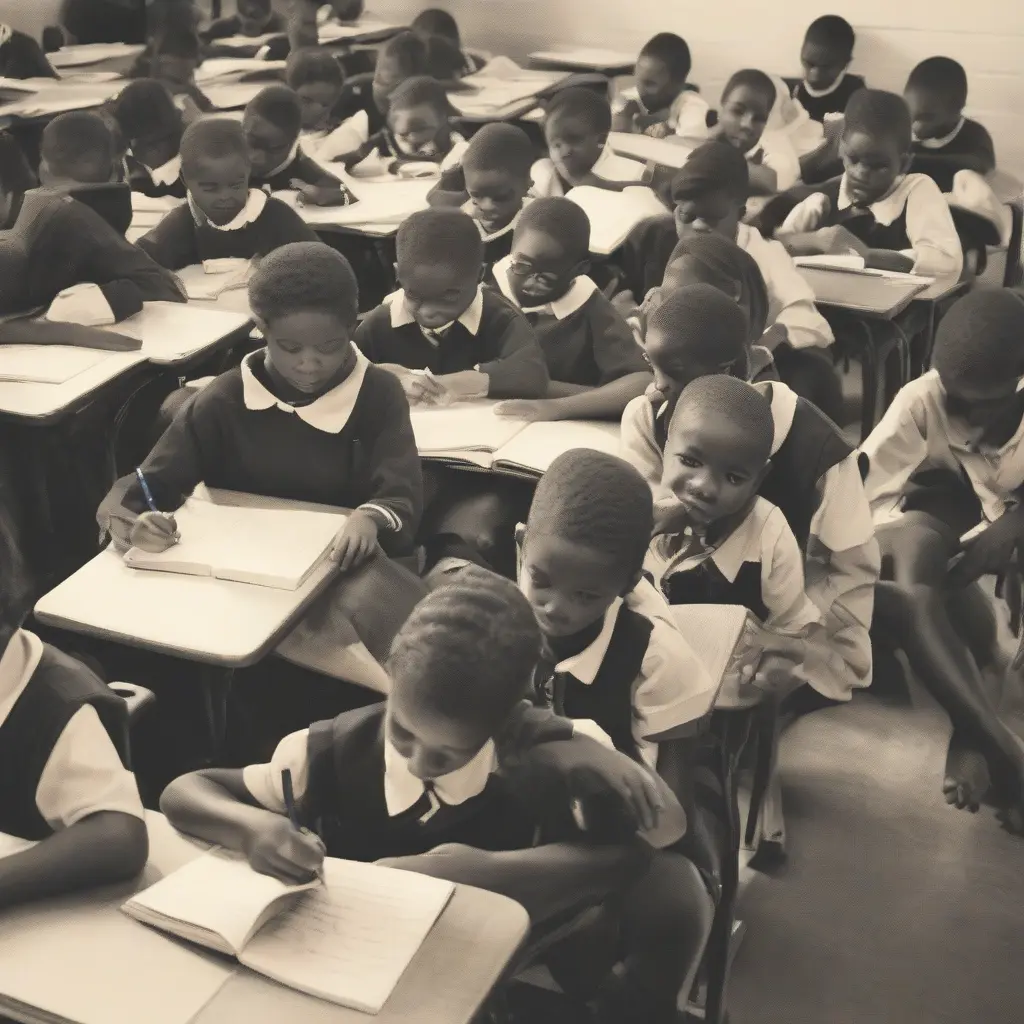
Educational inequality remains a significant barrier to equitable societal growth, affecting millions of learners worldwide. This disparity manifests in various forms, including access to quality resources, trained educators, and safe learning environments. As technology evolves and global economies shift, addressing these inequalities through strategic measures is essential. By focusing on innovative solutions and sustainable practices, stakeholders can work toward ensuring that everyone, regardless of their background, has the opportunity to achieve their educational goals.
Understanding Educational Inequality
Educational inequality encompasses the significant disparities in access to quality education based on socioeconomic status, geography, race, and other factors. These inequalities often result in varying educational outcomes that affect students’ long-term success and opportunities. For instance, students from low-income families might attend underfunded schools with limited resources, while their affluent peers benefit from well-resourced institutions. Understanding the nuances of educational inequality is crucial to developing effective strategies to combat it.
The Role of Government Policy
Government policies play a pivotal role in shaping education systems and addressing inequalities. Effective policy frameworks can ensure that funding is equitably distributed to underserved schools. By prioritizing investments in education that target disadvantaged communities, governments can help mitigate systemic inequalities. Furthermore, policies that promote inclusive curricula and teacher training can enhance educational outcomes for all students, ensuring that every learner has access to quality education.
Community Engagement and Support
Community engagement is vital in combating educational inequality. Schools can foster partnerships with local organizations, businesses, and families to create a supportive ecosystem for learners. By involving community members in decision-making processes, schools can better address specific needs and challenges faced by students. Additionally, volunteer programs and mentorship initiatives can provide the necessary support and resources for students, enhancing their educational experiences and outcomes.
Leveraging Technology for Learning
The integration of technology into education presents significant opportunities to bridge gaps in access and quality. Online learning platforms and digital resources can provide learners from diverse backgrounds with additional educational materials and support. Furthermore, technology enables remote learning, which can be crucial for students in rural or underserved areas. By effectively leveraging technology, educators can enhance instructional methods, ensuring that all students have access to high-quality educational experiences.
Addressing Teacher Training and Development
Teacher quality is a critical determinant of student achievement and educational equity. Ensuring that educators receive ongoing training and professional development is essential for improving their effectiveness in the classroom. Programs focusing on cultural competency, inclusive teaching strategies, and differentiated instruction can help teachers meet the diverse needs of their students. Additionally, recruiting and retaining talented educators in underserved areas can significantly impact educational outcomes for these communities.
Innovative Funding Solutions
Finding innovative funding solutions is essential for addressing educational inequality. Traditional funding models often reinforce disparities, leaving under-resourced schools at a disadvantage. Exploring alternative funding sources, such as grants, community fundraising, and public-private partnerships, can provide the necessary financial support for improving educational facilities and resources. Additionally, advocating for policy changes that lead to more equitable funding mechanisms can create a more level playing field for all schools.
Promoting Early Childhood Education
Investing in early childhood education can significantly reduce educational inequalities. High-quality preschool programs provide essential skills and foundational knowledge necessary for lifelong learning. Early interventions, particularly for at-risk children, can lead to improved academic performance and increased opportunities in later years. By ensuring that every child has access to quality early education, communities can lay the groundwork for more equitable outcomes in K-12 education and beyond.
Fostering Inclusivity in Education
Promoting inclusivity within educational settings fosters an environment where all students feel valued and supported. Schools should implement policies and practices that address biases and promote a culture of respect and acceptance. Curriculum adjustments that reflect diverse perspectives and experiences can also play a crucial role in making education more inclusive. By creating safe and welcoming environments for all learners, schools can significantly improve educational engagement and success rates.
Measuring Educational Outcomes
To effectively combat educational inequality, it is essential to measure and assess educational outcomes regularly. Data-driven approaches can identify gaps in performance and resource allocation, allowing for targeted interventions. By analyzing student performance metrics across different demographics, educators and policymakers can better understand the impact of various strategies and adjust their approaches accordingly. Continuous assessment is vital for ensuring that progress is made toward achieving equitable education for all.
Conclusion
Combating educational inequality requires a multifaceted approach involving government policies, community engagement, technological integration, and more. By fostering collaboration among stakeholders, investing in teacher development, and prioritizing inclusivity, we can create a more equitable educational landscape. Ensuring that all learners have access to quality education not only benefits individuals but also strengthens society as a whole.